
Polyethylene wax can play an important supporting role in plastics processing, but choosing a grade by name alone is not enough. The polymer, pigment package, equipment and finished-product requirements all influence whether a candidate is suitable.
Match the wax to the polymer and its intended function. Compare properties measured under equivalent conditions, then assess both processing behaviour and the finished article. Do not treat all polyethylene waxes as interchangeable.
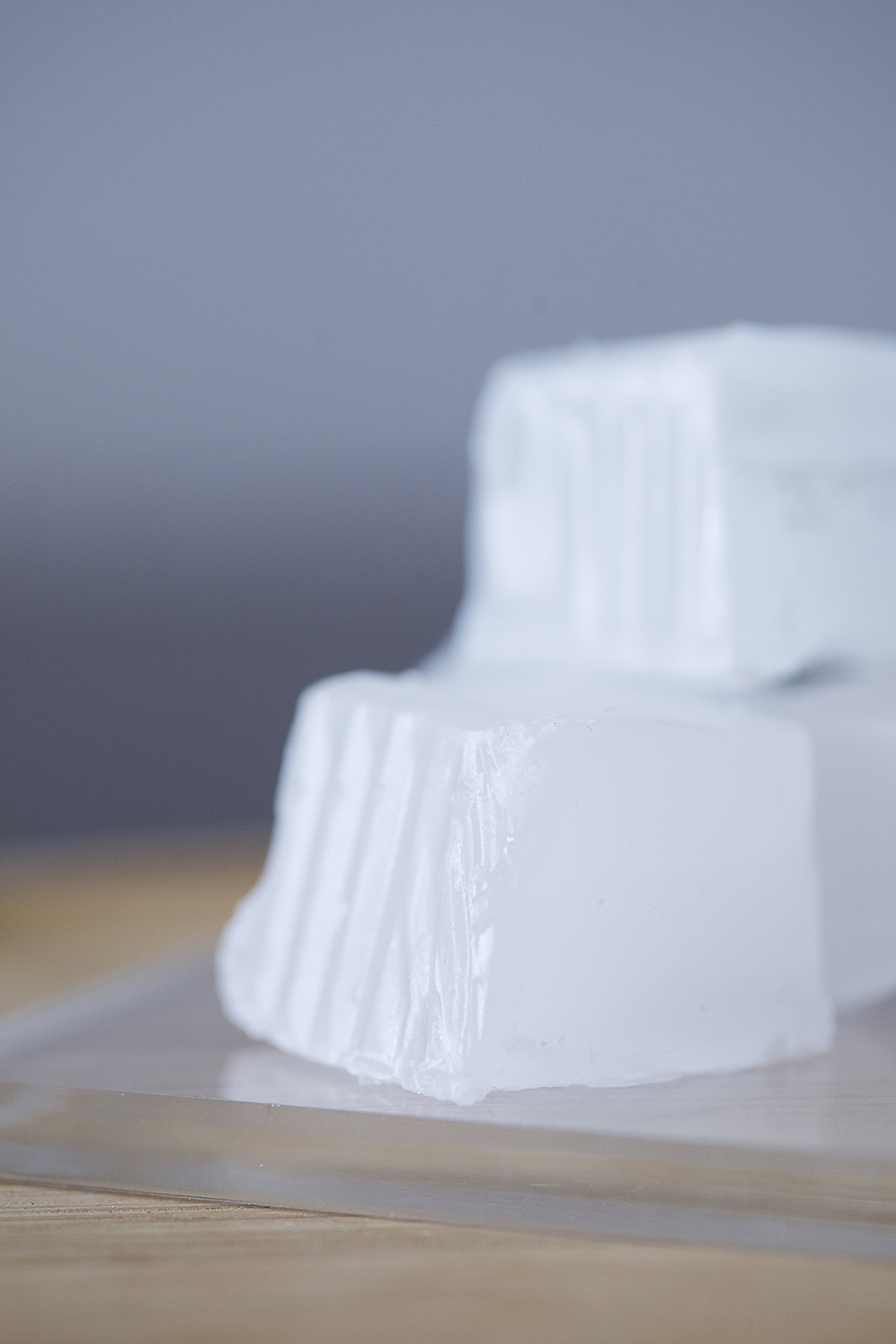
What is polyethylene wax?
Polyethylene wax, often shortened to PE wax, is a low-molecular-weight polyethylene material. Grades may be produced through polymerisation or controlled degradation processes. Their properties vary with production route and molecular structure, so the family name does not define a single melting behaviour, viscosity or application window.
Cerax includes polyethylene options within its synthetic wax range. In a plastics formulation, a selected wax may support lubrication or pigment dispersion. Those functions need to be evaluated within the full system rather than assumed from a generic product description.
An oxidised polyethylene wax is also not the same as an unmodified grade. Oxidation introduces polar functionality, changing its interactions with other ingredients. That distinction can matter when a formulation needs a different compatibility or processing balance.
6 essential polyethylene wax selection checks
1. Start with the polymer and the problem
Describe the base resin, including any recycled content, and identify the actual limitation. Is the objective more consistent pigment distribution, improved release, easier handling or a different processing response? A vague request for “better flow” makes it difficult to choose meaningful acceptance criteria.
Retain an approved reference sample and document the existing formulation. If the resin, filler and wax all change together, it becomes harder to identify the cause of any improvement or defect. Where practical, compare one planned change at a time.
2. Compare melt viscosity on the same basis
Melt viscosity describes resistance to flow when the material is molten. It is relevant to wax selection, but a number without its measurement temperature and method can be misleading. Two values measured under different conditions are not necessarily comparable.
Ask for the technical data sheet and clarify the test conditions before drawing conclusions. Then observe the candidate under the temperatures and residence times used in the actual process. A laboratory property is a screening tool, not a guarantee of production performance.
3. Check pigment and filler dispersion
In masterbatch production, evaluate how the selected polyethylene wax works with the carrier and the pigment or filler package. The practical outcome is the consistency of the concentrate and the article made from it, not simply how readily the wax itself melts.
Review visible specks, colour uniformity and the relevant dispersion measurements. Use the same pigment lot and processing conditions for comparative trials wherever possible. Include the intended let-down stage, because a concentrate that looks acceptable on its own can still require further evaluation in the customer’s final polymer.
4. Balance lubrication with downstream requirements
Lubrication is not a “more is always better” property. The wrong grade or amount can alter the balance of a formulation and may affect later operations. Changes that look attractive during extrusion must therefore be checked against the finished product’s requirements.
Where relevant, include printing, bonding, welding or coating tests in the qualification plan. A processing improvement has limited value if a downstream operation becomes less reliable. Record both benefits and trade-offs before approving a substitution.
5. Distinguish the wax families
| Candidate | Useful distinction | What to verify |
|---|---|---|
| Unmodified PE wax | Polyethylene-based wax with grade-dependent properties | Resin compatibility, viscosity and processing response |
| Oxidised PE wax | Polar functionality changes interactions | Suitability for the formulation and required function |
| Fischer-Tropsch wax | Different synthetic wax family | Grade-specific properties, not a name-based substitution |
| Micronised wax | A fine particle form, not one chemistry | Chemistry, particle size and incorporation method |
This distinction prevents a common purchasing error: treating a particle-size description as a complete material specification. For surface-additive applications, see the micronised wax guide. For functionalised materials, start with Cerax oxidised waxes.
6. Qualify the supply specification
Once a candidate performs well, define what will be controlled in routine supply. Record the exact grade, physical form, agreed properties, documentation requirements and acceptance limits. Ensure purchasing and production use the same approved identity rather than a broad description such as “white PE wax”.
Batch traceability and clear change-control arrangements make it easier to investigate unexpected behaviour later. Ask what documentation accompanies supply and how a proposed grade replacement would be communicated. Confirm any specific end-use requirements in writing for the actual supplied material.
A practical polyethylene wax trial record
Capture the resin and additive batch numbers, formulation, equipment, operating conditions and sample identity. Record the existing baseline before introducing the candidate. Compare the processing response, appearance, relevant mechanical properties and downstream operations using agreed criteria.
Keep representative samples from each trial and note the conditioning period before testing. Review the result with both production and quality teams. The most useful decision is based on a repeatable overall result, not an isolated improvement observed during a short run.
Polyethylene wax FAQs
Is PE wax the same as paraffin wax?
No. They are different material families. Their properties and roles can overlap in some applications, but a substitution requires a grade-level comparison and testing.
Can the same polyethylene wax work in every plastic?
No. Resin chemistry, other ingredients and processing conditions influence suitability. A grade approved for one formulation is not automatically approved for another.
How much polyethylene wax should be added?
There is no universal addition level. Use supplier guidance for the candidate grade and establish the formulation through controlled trials against defined acceptance criteria.
Does a lower melt viscosity guarantee better processing?
No. It is one property among several. Compatibility, dispersion, thermal behaviour and finished-product requirements must also be assessed.
Further reading: Clariant wax-additive application overview and Cerax synthetic wax information. These are selection resources, not a specification for an individual production formulation.
Discuss your application with Cerax
Share your process, current formulation challenge and required performance with the Cerax team.
Discuss your wax requirements