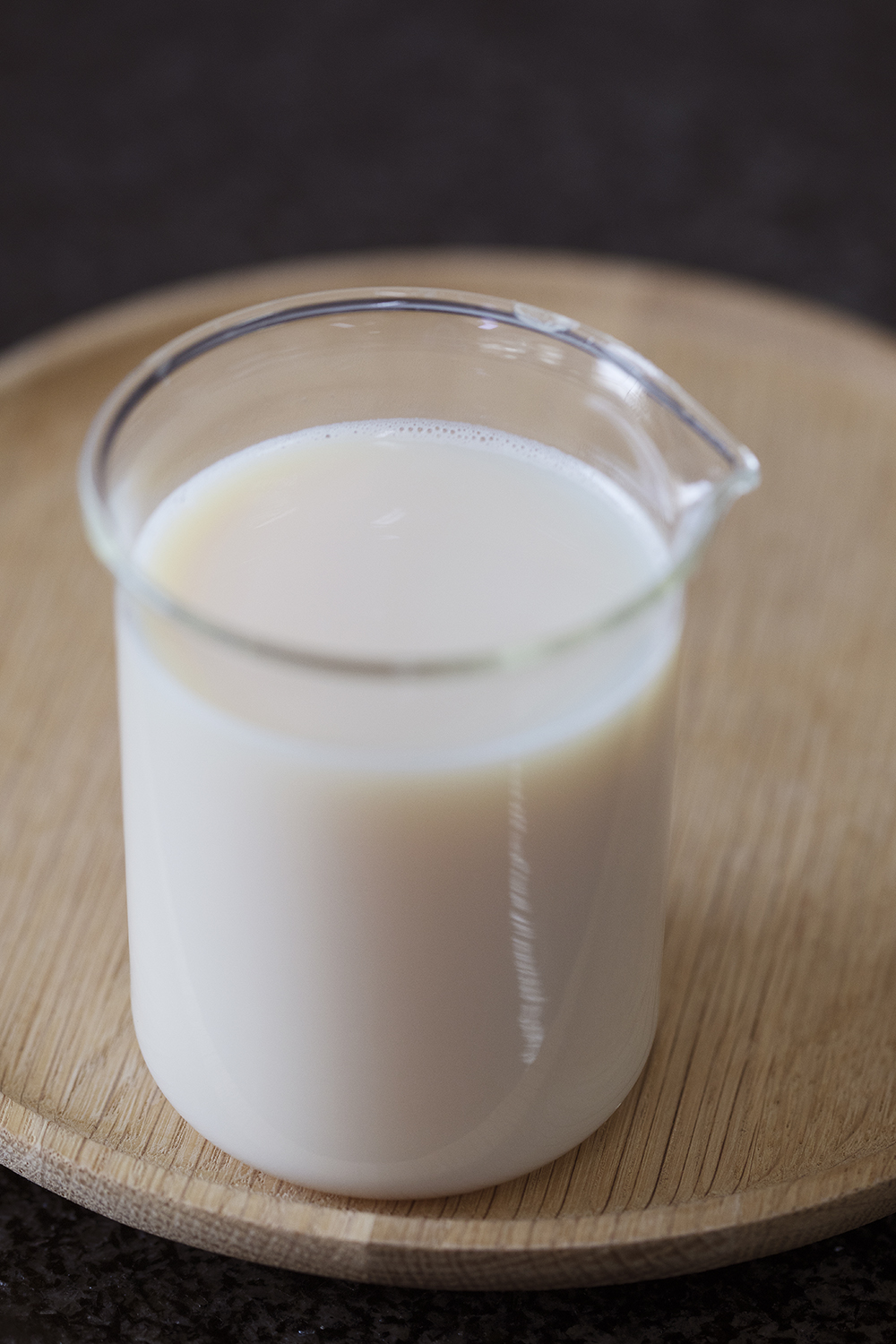
Wax emulsions for industrial formulations
Wax emulsions and dispersions from Cerax support coatings, polishes, packaging and other industrial formulations. Selecting a suitable product starts with the application, the formulation chemistry and the required processing conditions.
In the wax industry the terms “wax emulsions” and “wax dispersions” can be confusing in many instances. We define a wax dispersion as micronised wax dispersed in water or solvents by means of high shear mixing in the presence of surfactants for use in the ink and coating industry mainly.
We define wax emulsions as products produced from wax in the molten stage blended with water and surfactant to form an emulsion. On cooling to room temperature, the wax droplets solidify to form a stable wax in water emulsion which is according to definition also a dispersion but referred to in the industry as wax emulsions.
Wax emulsions can vary in wax content from 1% to 60% where the wax can be oxidised hard wax, natural wax or paraffin type waxes. Depending on the surfactants used, these emulsions can be either non-ionic, cationic or anionic. The choice normally depends on the application and the products the wax emulsion needs to be blended with. The pH of the blend will in most cases determine the choice. Wax emulsions are used in applications such as construction board, liquid polishes, coatings, mould release agents and concrete curing, to name a few.
Another common use of wax emulsions is paste floor polishes. In this instance the emulsion is a water in oil emulsion where the outer oil phase is a combination of a wax blend and solvent. Cerax specialise in the manufacturing of a one pack solution for this industry.
Choosing wax emulsions for your application
Before requesting a grade, describe the surface or substrate, the other ingredients in the formulation and the intended method of application. Include the working pH, solids requirement and available mixing equipment. These details help the technical team assess compatibility and recommend a starting point for evaluation.
Compare candidates in your own formulation rather than relying on the wax name alone. Check how the blend mixes, whether it remains uniform during storage and how the finished coating or polish performs after drying. Keep the trial conditions consistent so that differences between candidate products are easier to assess.
For the underlying wax options, explore our oxidised waxes and natural wax range. Our wax emulsions and dispersions guide explains practical selection factors. Contact Cerax with your requirements to discuss samples, technical data and formulation support.
For terminology, consult the IUPAC definition of an emulsion. Product suitability still needs to be assessed against the specific formulation and application.
Emulsion selection questions
Which information should I send with an enquiry?
Start with the finished product and the role you need the additive to perform. Describe the substrate, existing formulation, normal mixing sequence, application equipment and drying conditions. Include any customer specifications or acceptance tests that apply. If you are replacing an existing grade, share the technical data available for that product and explain the reason for the change. This gives the Cerax team a clearer basis for a recommendation and helps avoid trials that do not represent your production requirements.
How should I compare a sample with my current formulation?
Use a recorded reference formulation and a consistent batch size. Document the order of addition, mixing time and processing conditions for both the reference and the candidate. Assess the finished result using the same acceptance criteria, rather than changing several ingredients at once. A useful trial record includes observations during blending, the appearance after application and performance after the specified conditioning period. Discuss unexpected changes with the technical team before increasing trial size.
Can I select a product from solids content alone?
Solids content is useful information, but it does not describe the entire formulation. Wax type, surfactant system, compatibility and the intended application also matter. Two products with similar solids levels may behave differently in your blend. Ask for the current technical data sheet and review the recommended handling information alongside your formulation requirements. A controlled sample trial is the practical way to assess whether the candidate meets the performance you need.
Where can I find handling and product data?
Request the current technical data sheet and safety data sheet for the specific grade from Cerax. The technical sheet helps you review product properties, while the safety sheet provides the relevant handling information. Keep these documents with your trial records and ensure the production team uses the applicable version. Product descriptions on this page introduce the range; the grade documentation and advice provided for your application should guide your evaluation.
6 application areas to discuss with Cerax
1. Construction board
Start the discussion with the type of board, the manufacturing process and the result required from the additive. Explain where the product will be introduced and whether the formulation includes other ingredients that could affect compatibility. Agree on a practical trial method before selecting the candidate. Record the board properties and process observations that matter to your production team, and compare these with the existing formulation under the same conditions.
2. Liquid polishes
Describe the target surface, application method and finish expected from the polish. The choice of wax and surfactant system should be considered alongside the rest of the formulation. Share the working pH and the intended blending sequence so the technical team can review the application. During evaluation, compare the appearance of the blend, ease of application and the final finish against the reference product.
3. Coatings
For a coating enquiry, specify the substrate, binder system and relevant performance requirements. Explain whether the additive is being considered for a new formulation or as a replacement in an established product. A sample should be assessed in the complete coating formulation using the intended application and drying conditions. Keep the acceptance criteria consistent when comparing candidates and include observations about storage stability in the trial report.
4. Mould release products
Describe the mould surface and the manufacturing process before requesting a candidate product. Explain how the release formulation is applied and identify the issues you want to address in the current process. Product selection should be reviewed against those conditions rather than a generic application label. The trial should capture both the handling of the formulation and the quality of the finished result so that the technical team can interpret the comparison.
5. Concrete curing formulations
Explain the intended formulation, application equipment and project requirements when discussing a curing product. Identify the performance specification and the conditions under which the finished formulation will be evaluated. Provide the current formula or relevant compatibility information to support a suitable recommendation. Confirm the applicable grade documentation with Cerax and evaluate the candidate using your required acceptance tests before considering a larger production trial.
6. Paste floor polishes
Cerax describes Ezipol as a single pack base for floor polish formulations, with technical support for production changes and product development. Review the Ezipol S and Ezipol Premium options shown below and request the applicable formulation guidelines. Tell the team which finish, handling characteristics and production process you need. Compare the candidate in the recommended formulation and keep the trial record with the current technical and safety data sheets.
A useful enquiry brings together the application brief, current product data, trial objectives and expected order requirements. If any of those details are still undecided, identify them clearly so the technical discussion can address them before samples are selected. This helps both teams agree on the next evaluation step.
Planning an emulsion evaluation
Prepare the formulation brief
Write down the problem the new product needs to solve and describe what an acceptable result looks like. A trial becomes harder to interpret when the goal changes after samples have been mixed. Include the current product name, its role in the formulation and the reason you are considering an alternative. Explain whether the priority is the finished appearance, processing behaviour, product consistency or another measurable requirement. Share those details with the technical team so that the proposed candidate and the evaluation method address the same objective.
Document the materials that will be used with the candidate, including any changes planned for the binder or other additives. If some formulation information is confidential, discuss the appropriate way to exchange it with Cerax. A clear brief can still identify the application, operating conditions and acceptance criteria without placing proprietary formulation details on a public enquiry.
Record processing and application conditions
Keep a written record of batch quantities, equipment, mixing sequence and application method. Identify the conditions that are controlled and those that may vary between trials. Include the relevant grade identification so that the technical team can trace which sample was tested. When comparing a candidate with your reference, use the same substrate and conditioning procedure. Where the production process differs from the laboratory trial, describe the difference before interpreting the outcome.
Photographs can help explain appearance changes, but they should accompany the written observations and any measured results. Label images clearly and keep them with the formulation record. This makes it easier to distinguish a product effect from an application change when the trial is reviewed later.
Review the result before increasing batch size
Compare the trial with the objectives agreed at the start. Report both successful observations and unexpected behaviour, even when the finished sample appears acceptable. Ask the technical team to review any changes in compatibility, handling or appearance before moving to a larger batch. If another trial is needed, agree which variable will change and retain the previous record for comparison. Changing several ingredients or conditions at once makes the contribution of the candidate harder to establish.
Use the current technical and safety documentation for the grade under evaluation. Confirm the recommended handling and the information needed for your quality process. When the candidate meets the agreed criteria, document the chosen formulation and the production checks that should accompany it. This creates a useful reference for subsequent batches and helps the purchasing and manufacturing teams work from the same product information.
For enquiries about an emulsion or dispersion, send the application brief and trial questions to the Cerax technical team. Include the intended use, current formulation constraints and the performance criteria you want to assess. The next step can then be agreed around the information available for your specific requirement.
Keep a dated copy of the agreed trial plan, the applicable product documents and the evaluation results. These records support a consistent discussion when requirements change or a further sample needs to be assessed.
Reading an emulsion product description
A product description is a starting point, not a complete purchase specification. The terms below help you distinguish the wax ingredient, the liquid system and the finished formulation. Use them when reviewing a technical sheet or discussing a change with Cerax. They do not replace the grade-specific instructions supplied with a product.
Wax content and total solids: what is being measured?
Cerax describes wax emulsions with wax content ranging from 1% to 60%. When a technical sheet gives a solids value, check whether that figure refers to wax alone or to the total non-volatile material in the product. Other formulation components may also contribute to the result. Ask which basis and test method apply before comparing two data sheets.
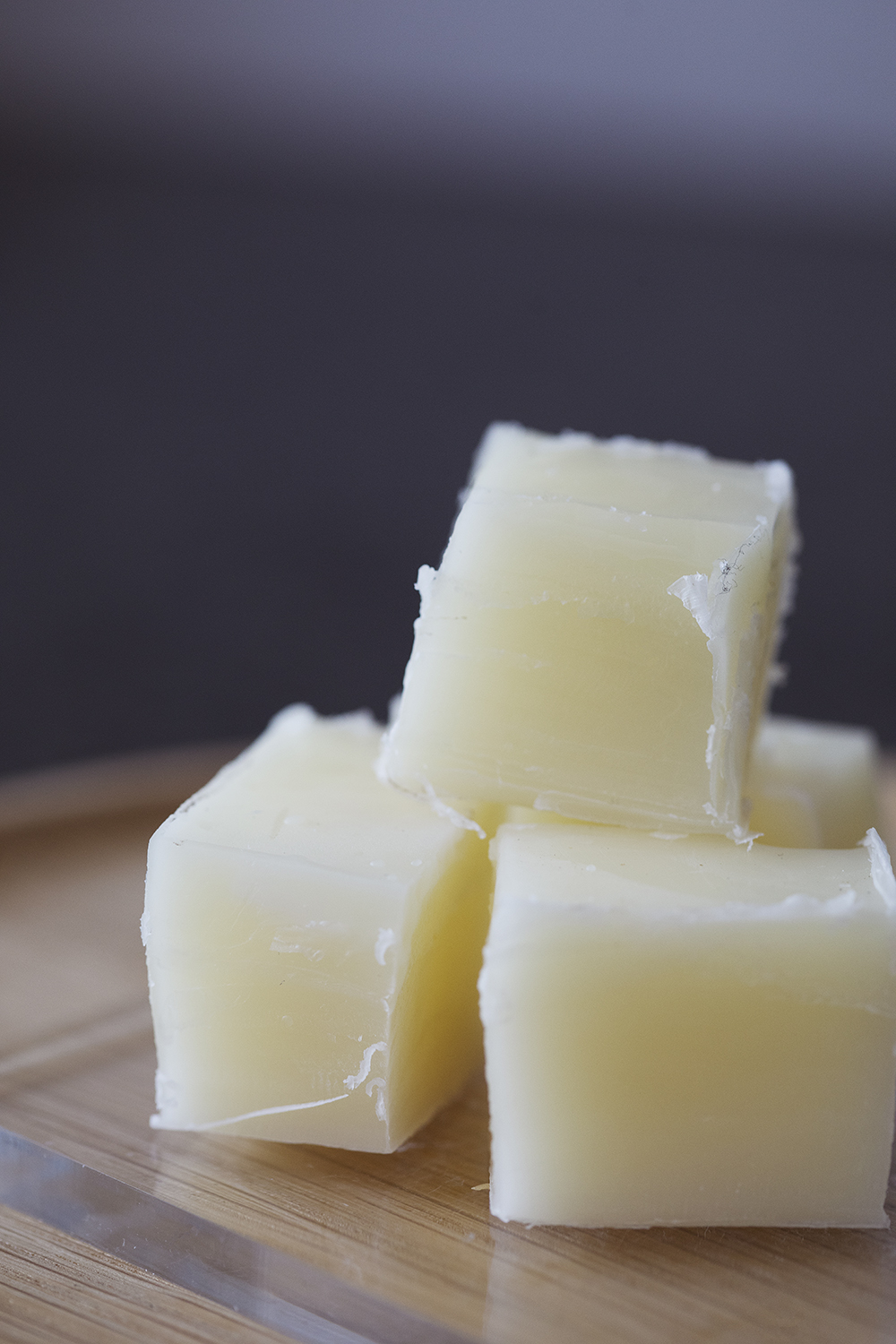
This distinction matters to purchasing as well as formulation. A delivered liquid product and a solid wax are not directly comparable by pack weight alone. Review the supplied product form, its intended use and the grade information together. Avoid treating a percentage on one sheet as equivalent to a differently labelled percentage on another.
Why do water-in-wax and wax-in-water descriptions matter?
The description identifies which phase surrounds the other. Cerax distinguishes wax-in-water products from the water-in-wax or solvent-containing systems described for paste polishes. These are different formulation routes, even though both may be discussed using the word emulsion. Check the complete product description instead of assuming every liquid wax additive is supplied in the same type of carrier.
The existing Ezipol range information below distinguishes a solvent-based option and a water-in-wax option. Request the relevant formulation guidelines for the candidate you are considering. Do not transfer instructions, handling assumptions or ingredient substitutions from one option to the other without a technical review.
What do non-ionic, anionic and cationic mean for an enquiry?
These terms describe the surfactant system rather than the wax family. This page identifies all three as possible systems and notes that the application and blend pH influence selection. Provide the technical team with the information available about your existing formulation. If the ionic type of an ingredient is unknown, identify that gap rather than guessing from its trade name.
A familiar wax name does not establish compatibility with the rest of a formulation. Likewise, a similar appearance does not prove two supplied liquids will behave alike. Keep the candidate identity and technical-sheet version attached to the enquiry so the discussion refers to the actual product under consideration.
How should I distinguish a wax dispersion from a floor-polish base?
Cerax describes micronised-wax dispersions primarily in relation to inks and coatings, while Ezipol is presented as a single-pack base for floor-polish formulations. The intended role is therefore important: an additive supplied for one purpose should not be assumed to replace a complete base developed for another. State whether you need an additive, a polish base or a different formulation route.
For a dispersion enquiry, the micronised wax range provides related background. For a floor-polish enquiry, refer to the Ezipol options and ask Cerax for the appropriate product documents. This keeps product selection tied to the intended finished product rather than to terminology alone.