
Micronised wax is a fine wax powder used to modify the surface and mechanical performance of coatings, printing inks and related formulations. When the grade is correctly matched to the system, it can improve rub, scratch and abrasion resistance while also influencing slip, gloss, texture and over-printability.
The challenge is that particle size alone does not define performance. The base wax, melting point, hardness, polarity, particle-size distribution and compatibility with the binder all affect the result. A useful selection process therefore begins with the dry-film requirement and works backwards to the additive properties.
In this micronised wax guide
- How fine wax particles behave in a dry film
- Five coating and printing-ink performance benefits
- Particle size, chemistry and melting-point selection
- A practical laboratory test plan
- Answers to common dosage and compatibility questions
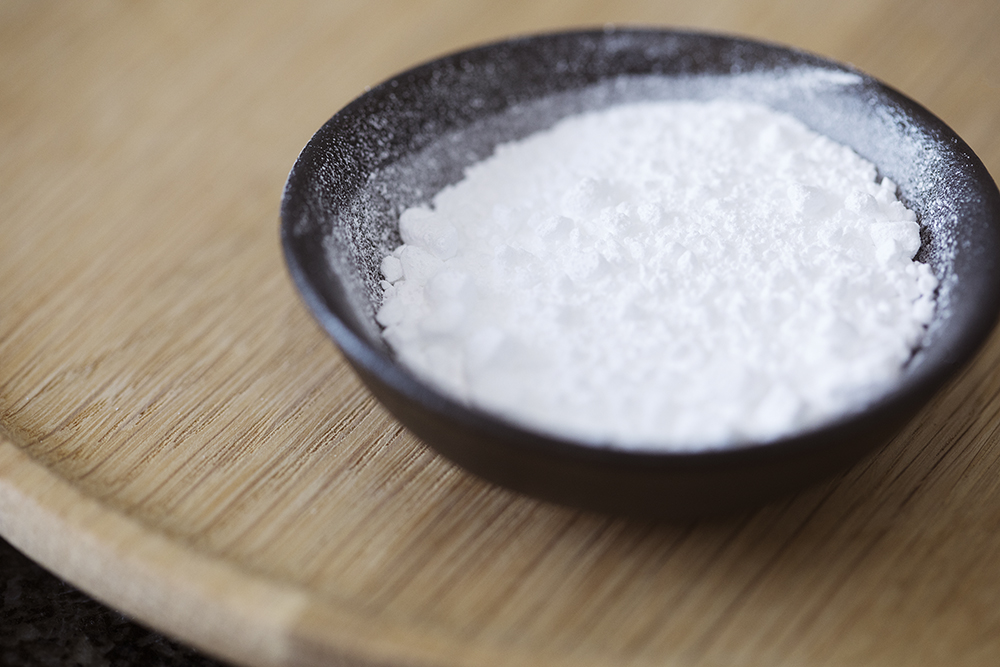
What is micronised wax?
Micronised wax is wax processed into a controlled fine-powder form. Cerax describes micronised waxes as powders with an average particle size below 10 micrometres. Hard waxes such as Fischer-Tropsch or polyethylene wax can be ground or sprayed, while suitable lower-viscosity waxes may be spray processed.
Industry product ranges show that the category includes many chemistries and particle distributions. BYK describes micronised wax additives in the approximate 4 to 15 micrometre average-particle-size range. The correct value depends on film thickness, surface effect and the way the additive is incorporated.
How micronised wax works in a film
During application and drying or curing, wax particles become distributed through the coating or ink layer. Their position in relation to the film surface influences the final effect.
Hard particles can help protect the film from mechanical wear. Wax at or near the surface can alter friction, feel and gloss. If the particle is too large for the film, poorly dispersed or incompatible with the binder, the result may be haze, roughness, floating, reduced adhesion or an inconsistent finish.
The goal is not simply to add more wax. It is to create the required effect at an efficient loading while preserving the other properties of the formulation.
| If the priority is… | Pay close attention to… | Also monitor… |
|---|---|---|
| Rub and abrasion resistance | Wax hardness and distribution | Gloss, haze and print transfer |
| Slip or lower friction | Surface orientation and dosage | Printability, blocking and pack stability |
| Matting or texture | Particle size relative to film thickness | Transparency, colour strength and feel |
| Broad system compatibility | Polarity and addition method | Floating, seeding and storage stability |
5 micronised wax performance benefits
1. Improved rub resistance
Printed surfaces experience repeated contact during converting, transport and use. A suitable micronised wax can reduce visible damage and ink transfer caused by rubbing.
This is particularly relevant in packaging inks, overprint varnishes and printed items that are stacked or handled soon after production. Rub testing should reflect the actual substrate, ink film, drying conditions and contact pressure.
2. Better scratch and mar resistance
Micronised wax can improve resistance to light scratches and surface marks. BYK lists modified polyethylene micronised waxes for scratch and abrasion resistance in aqueous, solvent-borne, solvent-free and UV coating systems.
Scratch and mar are not identical failures. A formulation may resist one type of damage but not another, so the test method must match the end use.
3. Increased abrasion resistance
Harder wax particles can help a coating withstand repeated mechanical wear. This benefit is useful in industrial coatings, wood finishes, can coatings and printed packaging.
The base-wax hardness and particle distribution matter. A very hard wax may improve abrasion but produce an unwanted change in gloss or feel. Trials should evaluate both durability and appearance.
4. Controlled slip and coefficient of friction
Wax can reduce surface friction and improve slip. This may help items move through converting or packaging equipment and reduce blocking or scuffing during stacking.
Too much slip can cause its own problems, including poor printability, coating adhesion or pack stability. Define the target coefficient of friction and assess it after the full cure period.
5. Matting, texture and surface feel
Selected micronised waxes can reduce gloss, create texture or produce a soft-touch effect. Particle size, wax chemistry and loading influence the degree of change.
Fine particles may suit thin films and appearance-sensitive clearcoats. Coarser or specially modified grades may create stronger matting or texture. The choice should consider haze, transparency, colour strength and tactile requirements.
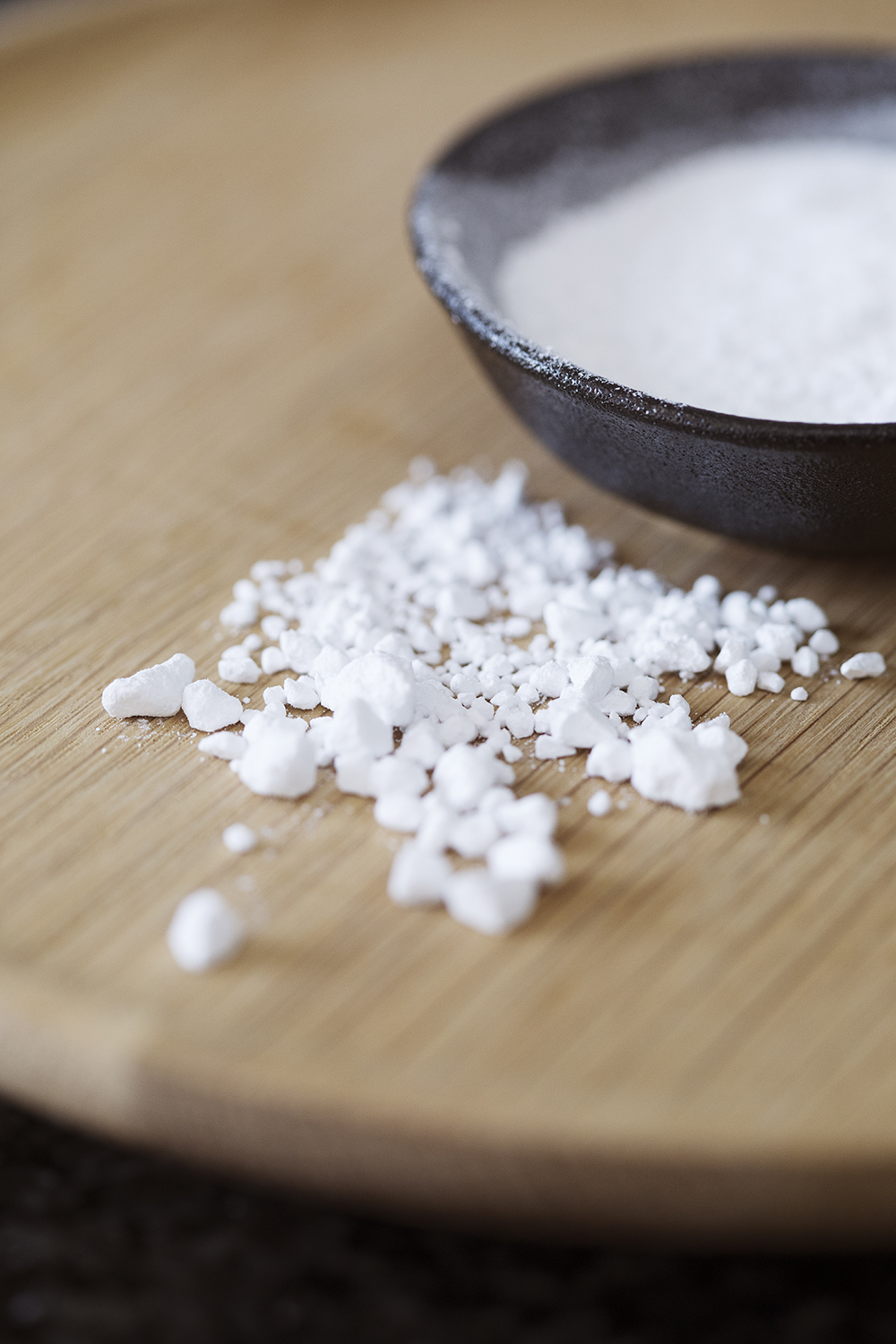
Selecting a micronised wax grade
Base wax chemistry
Polyethylene, Fischer-Tropsch, amide-modified, natural and blended waxes offer different hardness, polarity and surface effects. A base wax that works in one binder may not disperse or orient in the same way in another.
Particle-size distribution
Average particle size is useful, but D50 and D90 values provide a clearer view of the distribution. The upper end is especially relevant when the dry film is thin. Particles that are large relative to the film can affect smoothness and appearance.
Melting point
The wax should remain effective through production, application and end-use temperatures. If it softens too early, mechanical performance may fall. If it cannot orient or integrate appropriately, the desired surface effect may not develop.
Polarity and compatibility
Polarity affects wetting and dispersion in aqueous, solvent-borne and radiation-curing systems. Poor compatibility may lead to floating, seeding, haze or storage instability.
Addition method and shear
Some micronised waxes are designed for post-addition, while others are incorporated earlier. Follow the supplier’s guidance, then document mixing speed, time, temperature and addition sequence during trials.
A practical laboratory test plan
Run a control alongside several wax grades or dosage levels. Evaluate dispersion quality, viscosity and storage stability before application. After the film has fully dried or cured, test gloss, haze, colour, coefficient of friction, rub, scratch and abrasion resistance as required.
Also check secondary effects such as over-printability, intercoat adhesion, blocking and heat-seal performance. An improvement in one measure should not create a larger production problem elsewhere.
Building a useful supplier brief
State the application, binder chemistry, solvent or water phase, film thickness, curing conditions, current wax, target particle size and the performance test you need to improve. Include any restrictions relating to food contact, PTFE or PFAS positioning, colour, haze or regulatory compliance.
Cerax supplies micronised waxes based on different raw materials and supports customers in comparing options for inks and coatings. Review the Cerax micronised wax range and the broader specialised wax products portfolio.
Frequently asked questions about micronised wax
Open a question to see the practical answer.
What does micronised wax do in a coating or ink?
A suitable grade can improve rub, scratch and abrasion resistance while also modifying slip, gloss, texture, blocking and surface feel.
How important is particle size?
It is critical, particularly in thin films, but the distribution matters as much as the average. Review D50 and D90 values in relation to the applied film thickness.
Can micronised wax be used in both water-based and solvent-based systems?
Yes, grades are available for different systems, but polarity, wetting, dispersion and storage stability must be confirmed in the actual binder and carrier phase.
How should micronised wax be added?
The correct addition point and shear are product-specific. Some grades allow post-addition, while others are incorporated earlier. Follow the supplier’s guidance and record the process.
Does adding more micronised wax always improve durability?
No. Excess wax can reduce gloss, adhesion, printability or heat-seal performance and may create haze or surface defects. Use a controlled dosage ladder.
Shortlist a micronised wax for your film
Share the binder chemistry, film thickness, cure, current wax and test method with Cerax. A clear supplier brief helps separate relevant candidates from unsuitable grades.
Better results come from a balanced choice
Micronised wax can deliver several valuable effects from a relatively small component of the formulation. The best grade is the one that meets the primary durability or surface target while remaining compatible with the film, process and regulatory requirements.
Treat particle size, chemistry and application method as a connected system. That approach produces more repeatable trials, clearer technical decisions and fewer compromises during production scale-up.