SYNTHETIC WAXES
Synthetic wax for industrial formulations
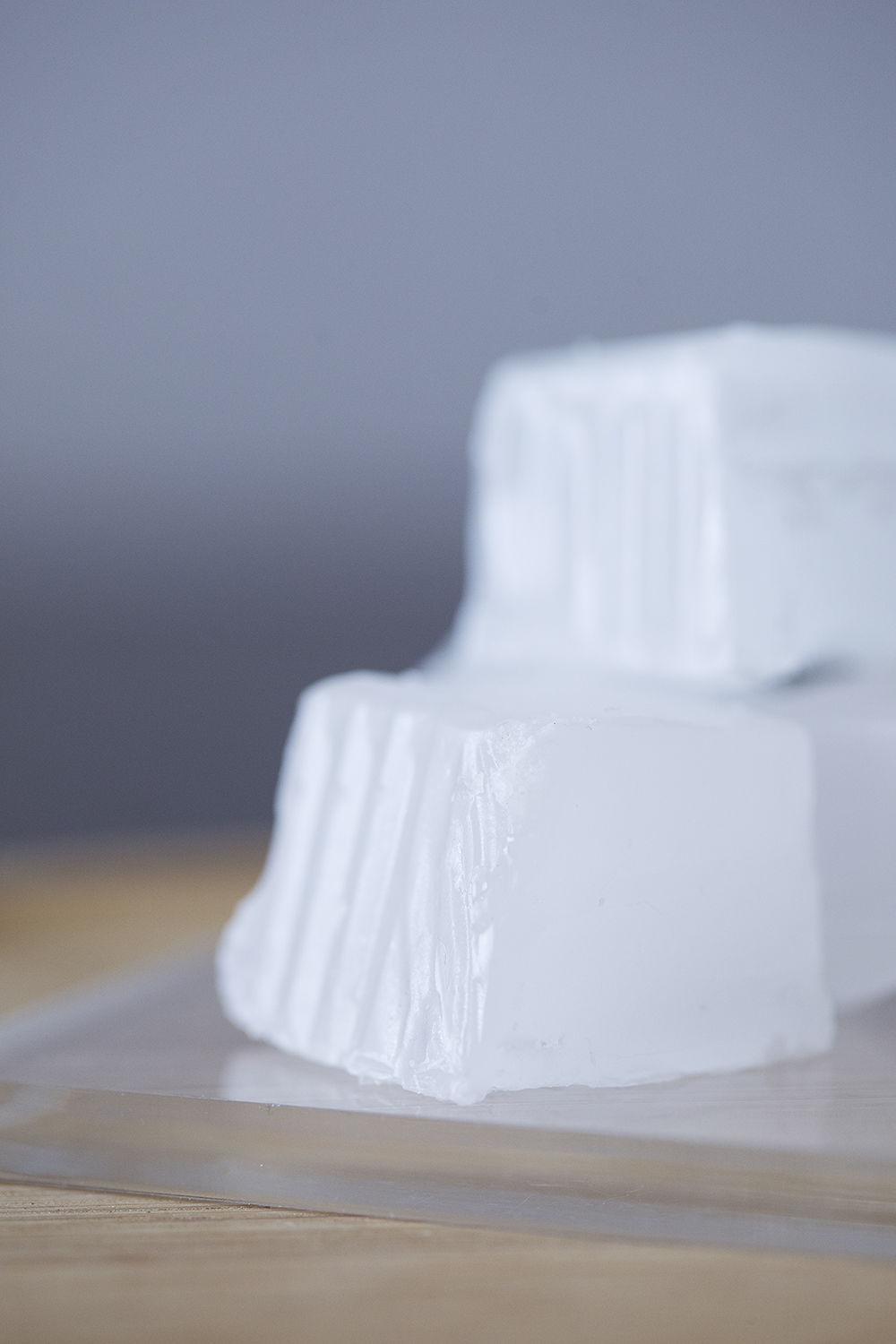
Synthetic waxes are manufactured rather than occurring naturally. They offer a range of physical properties for industrial applications, including options that differ from naturally occurring materials. Cerax supplies Fischer-Tropsch, polyethylene and polypropylene product families, together with modified variants.
The team can combine materials to develop application-specific formulations. Synthetic waxes can also be functionalised through oxidation, saponification and reactive grafting. Suitable hard grades can be micronised into fine powders for use in coatings and ink formulations.
Comparing the 3 product families
Use the product tabs below to review the existing descriptions of Fischer-Tropsch, polyethylene and polypropylene grades. Compare the required hardness, melting behaviour, viscosity and compatibility rather than selecting only by family name.
When should I consider a Fischer-Tropsch grade?
The range includes medium to very hard hydrocarbon materials. Discuss the intended process and the required balance of melting behaviour, hardness and viscosity with Cerax. The family description is a starting point for grade selection; request current technical data for the proposed product.
What information is needed for polyethylene or polypropylene options?
Provide the application, other formulation ingredients and relevant processing conditions. Explain whether the product is being considered for polymer processing, a dispersion, an emulsion or a surface additive. Any application-specific approval should be confirmed for the exact grade and use.
For terminology background, refer to the IUPAC definition of a polymer. This does not establish suitability or compliance for an individual Cerax product.
Would a modified or micronised material be more suitable?
When the brief calls for a particular functional property or surface effect, compare the information on oxidised waxes and micronised powders. These routes should be assessed against the complete formulation and application method.
How should a trial be planned?
Agree the objective, reference material and assessment method. Keep sample preparation and application conditions consistent while comparing candidates. Record processing behaviour and the finished result before moving to a larger evaluation.
Retain the grade identity, current technical documents and trial observations together. A clear record helps the technical team discuss whether a different base material, modified grade or tailored formulation should be considered.
Can Cerax help with a tailored requirement?
Explore our custom blends service if the established range does not meet the application brief. Include the existing specification, performance priorities and production constraints. The next step can then be agreed around the available technical information.
Contact Cerax to discuss synthetic wax samples, current technical and safety data, physical form and supply requirements. Confirm the proposed grade and intended application before ordering.
Fischer-Tropsch (FT) Waxes are pure hydrocarbon waxes ranging from medium to very hard waxes. The FT hard waxes with high molecular weights have high melting points, superior hardness and low viscosities. FT waxes are synthetically produced from carbon monoxide and hydrogen by using the Fischer-Tropsch gas-to-liquids (GTL) technology. The resulting waxes are straight chain hydrocarbons of consistent quality and purity with unique and desirable properties. These waxes can be modified further to produce a wide range of physical and chemical characteristics suited to a range of applications. Cerax offers a range of high-melt point FT waxes, used as performance additives and also medium melt point derivatives, which can replicate typical paraffin wax characteristics.
Polyethylene (PE) Wax is manufactured as first intention product or as by-product from polyethylene synthesis using catalytic polymerisation, most commonly utilising the Ziegler-Natta catalyst.
PE wax can also be produced as a result of controlled thermal degradation of polyethylene.
In general polyethylene waxes have higher molecular weights and more branched hydrocarbons than Fischer-Tropsch waxes, which yield products with higher melting points, higher melt flow viscosities and similar hardness.
It is possible to functionalise polyethylene wax through oxidation or reactive grafting to enhance the properties of the waxes, specifically regarding free-surface energy and viscosity.
The waxes are commonly used in polymer processing, due to their compatibility with polymers, and production of dispersions and emulsions.
Certain grades are certified for food contact in specific applications.
Request the applicable grade documentation before assessing a food-contact application. Approval for one grade or use should not be assumed for another.
Polypropylene (PP) Wax is manufactured as a by-product from polypropylene synthesis or as a result of controlled pyrolysis of polypropylene. Polypropylene wax may be used as a viscosity modifier in colour masterbatch production or micronized to give coating scratch resistance.