
MICRONISED WAXES
Micronised Waxes
Micronised wax for inks and coatings
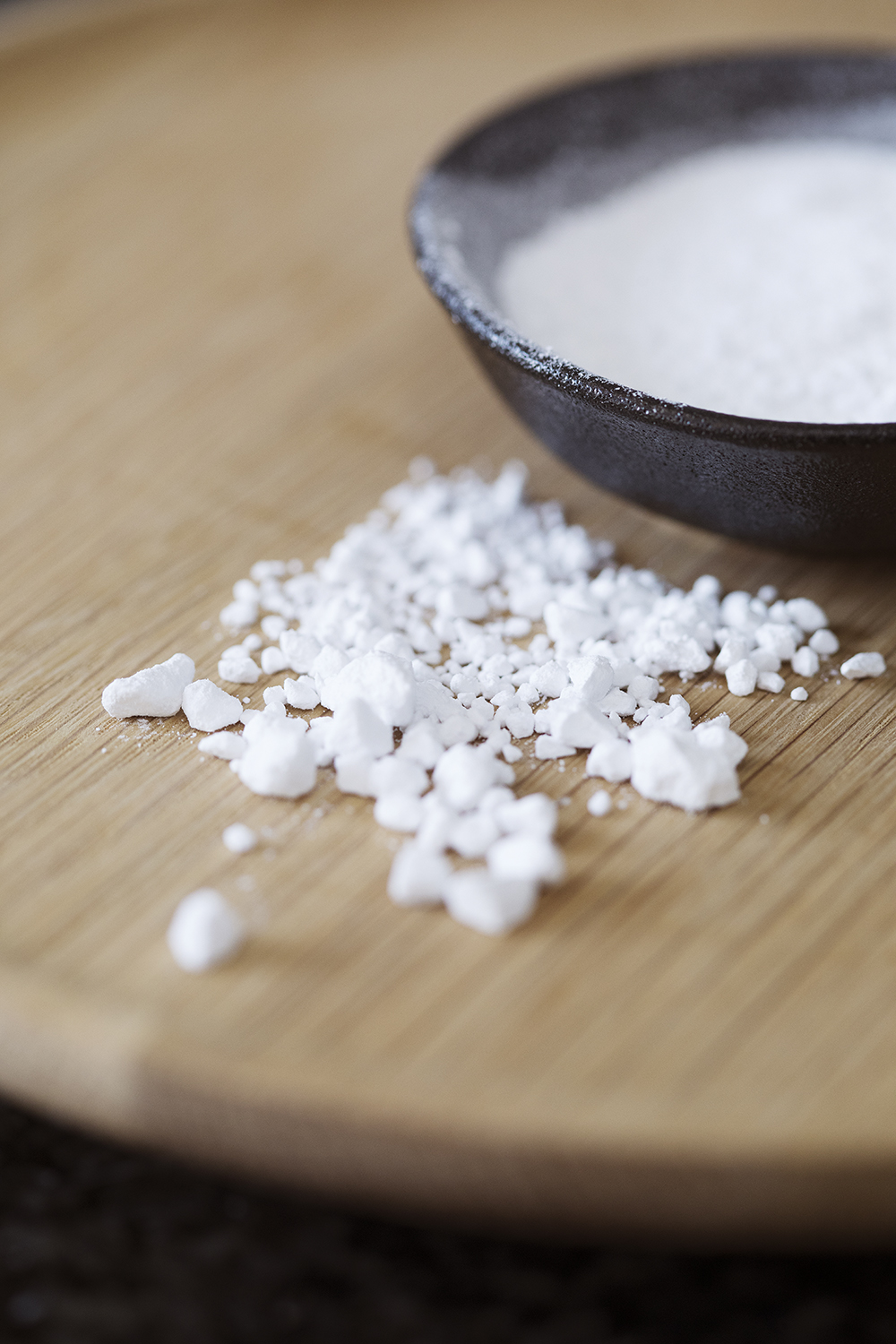
Micronised Waxes can be defined as wax powder with an average particle size of less than 10 micrometres. Hard waxes (such as Fischer Tropsch or Polyethylene wax) can be ground or sprayed to this fine particle size while other lower melt viscosity waxes can be sprayed to achieve the desired size. Micronised waxes are used in applications such as printing inks to provide rub resistance while maintaining over-printability. In coatings Micronised waxes provide mar and abrasion resistance. Cerax has the ability to supply Micronised waxes using a variety of different base wax raw materials.
Selecting a micronised wax involves more than particle size alone. The base wax, melting behaviour, hardness and compatibility with the wider formulation can all influence processing and the final surface effect. Cerax works with customers to consider these application requirements when identifying an appropriate micronised wax grade. This technical approach supports formulators seeking controlled performance in inks, industrial coatings and related systems, while access to different base wax materials creates options for balancing rub resistance, mar resistance, abrasion resistance and over-printability.
Customers can begin an enquiry with the intended application, current formulation constraints and target performance. This helps narrow the available base wax and particle-size options before samples or further technical evaluation.
5 micronised wax selection checks
1. Start with the required surface performance
State which properties matter most in the finished ink or coating. Rub resistance, abrasion resistance, mar resistance and over-printability are different evaluation targets. Identify the problem you are trying to solve and the surface on which it occurs, rather than treating all surface additives as interchangeable.
Use a relevant comparison material in the trial so the effect can be judged against an established reference. Agree the assessment method and the acceptable result before comparing candidate products.
2. Review the base wax
The underlying material is an important part of the choice. Cerax supplies options based on different raw materials, including hard synthetic grades. Ask which base material is proposed and how its product data relate to your process. Hardness and melting behaviour should be considered alongside the intended finish.
Our synthetic wax range provides background on the broader product families. For chemical terminology, consult the IUPAC definition of a polymer.
3. Confirm the particle-size requirement
An average particle size does not describe every aspect of a powder. Request the available technical information for the proposed grade and discuss the size requirement in relation to your coating thickness or print system. The page’s general description is a starting point, not a substitute for grade-specific data.
If the current product creates an unwanted surface effect, provide the existing specification and representative observations with your enquiry. This gives the technical team a clearer basis for discussing alternatives.
4. Assess the complete formulation
A micronised wax needs to be evaluated with the other ingredients in the intended system. Share the formulation type, application equipment, process conditions and any restrictions on the finished product. Follow the handling and incorporation guidance supplied for the candidate rather than assuming one preparation method suits every material.
Where a ready-made liquid system may be relevant, compare the information on emulsions and dispersions. The suitable route depends on the formulation and should be confirmed through technical evaluation.
5. Keep the comparison consistent
Record the sample identity, preparation conditions, application method and performance observations. Compare candidates on the same substrate using the same assessment method. Review both the processing behaviour and the finished surface before selecting a grade for a larger trial.
Retain the results with the product documents so future discussions refer to the same evidence. If the requirement changes, explain what has changed before requesting a replacement grade.
Product enquiries and documents
Contact Cerax with your application, existing product details and evaluation priorities. Ask for the current technical data sheet, safety data sheet, available product form and supply information for the proposed micronised wax. For requirements extending beyond an established grade, explore our custom formulation services.