
MICROCRYSTALLINE WAXES
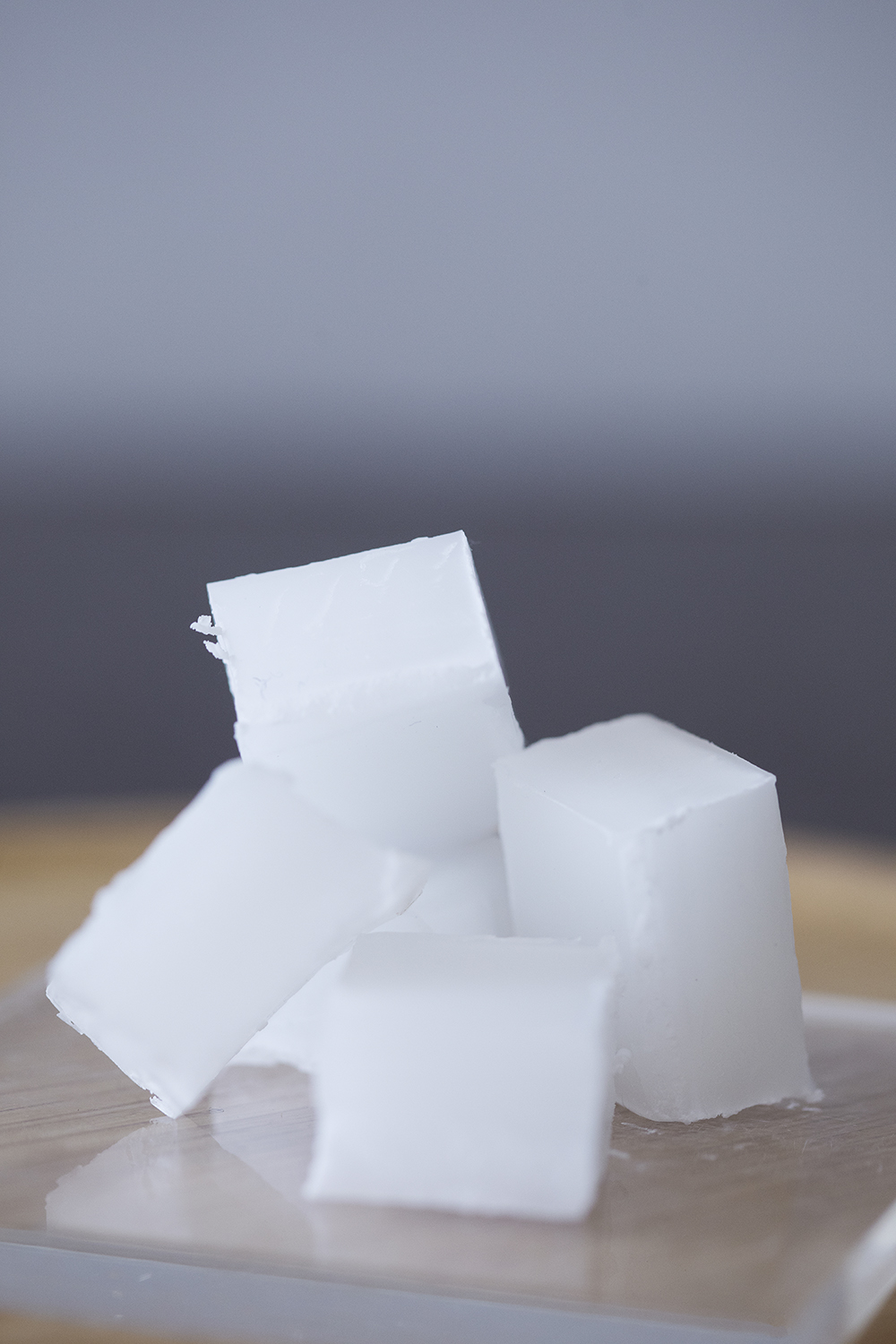
Microcrystalline wax for industrial blends
Microcrystalline wax is derived from refining the heavy fractions of lubricating oils. Its mixture of branched and cyclic hydrocarbons differs from the more straight-chain composition of paraffin materials, producing a finer crystal structure.
The range is used in blends where oil or solvent binding, flexibility and tackiness are relevant. Cerax’s existing product descriptions below provide starting points for reviewing the available grades. The required balance of properties should be confirmed against the intended application.
5 practical grade-selection questions
1. Which property matters most?
Explain whether your priority is flexibility, tackiness, oil binding, solvent binding or a particular processing characteristic. Describe the present formulation and the limitation you are trying to address. This helps distinguish the main requirement from secondary purchasing preferences.
A generic wax-family description cannot establish how a grade will perform in a specific blend. Discuss the complete application brief with the technical team before selecting a sample.
2. How does the grade compare with paraffin?
Microcrystalline and paraffin materials should not be treated as interchangeable simply because both are petroleum-derived. Compare the grade data, formulation role and intended finished result. See our paraffin wax range when reviewing the broader options.
For identification background, consult the PubChem microcrystalline wax record. Commercial suitability and any required approval must still be established for the exact proposed product.
3. Which specification should be requested?
Ask Cerax for the current technical data sheet and safety data sheet. Review the relevant melting or congealing behaviour, oil content, colour and physical form against your requirement. Use consistent test methods when comparing an existing material with a proposed alternative.
If your customer requires particular end-use documentation, identify that requirement in the enquiry. Do not rely on a general product-family description as evidence for every application.
4. What should be checked in a sample trial?
Compare the candidate in the intended formulation under controlled conditions. Record processing behaviour and the finished result on the relevant substrate. Keep the reference material, preparation conditions and assessment method consistent while evaluating alternatives.
Where the application involves a coating or converted material, include the handling and converting stages in the evaluation brief. Review the results before progressing to a larger trial.
5. Would a blend be more suitable?
If the required balance cannot be met by a single base material, explore our wax blends and custom formulation services. Provide the current specification, performance targets and production constraints so the next development step can be discussed.
Contact Cerax to discuss microcrystalline wax, samples, current product documents and supply requirements. The technical team can review the available information and help identify the appropriate evaluation route.
Applications to discuss
Coatings, packaging and polishes
Microcrystalline materials are used as blend components in curtain coatings, flexible packaging and polishes where binding, flexibility or tackiness contributes to the required result. Describe the substrate and the subsequent handling conditions when discussing a coating. For a polish, explain the formulation type and the finish you want to assess.
These application categories do not imply that every grade is appropriate for every process. The suitable option depends on the complete specification, processing conditions and trial result. Ask Cerax which product data and sample evaluation would be relevant to your requirement.
Keep the agreed application brief with the current technical documents. If a raw material or process condition changes later, use that record to explain the difference during the next technical discussion.
Congealing Point: 58-62 degrees °C
Colour: White / Translucent
Oil Content: <0.5%
Fully refined and hydrogenated micro-crystalline wax, suitable for food contact.
Congealing Point: 72 +- 3 Degrees °C
Colour: Off-white
Bright-stock slack wax, bleached and unrefined. Suitable for applications where oil-binding or flexibility is required.