
Wax emulsions allow formulators to introduce useful wax properties into water-based or mixed systems without handling the wax as a hot bulk liquid. They are used in coatings, construction products, polishes, mould-release systems, concrete curing compounds and many other industrial formulations.
The terms wax emulsion and wax dispersion are often used loosely, but they do not always describe the same manufacturing route or particle structure. Understanding the difference helps technical teams compare products more accurately and avoid stability, compatibility and performance problems.
In this wax emulsions guide
- The practical difference between emulsions and dispersions
- Six selection factors for stable formulations
- Typical coatings, construction and polish applications
- A supplier-ready test checklist
- Answers to common compatibility questions
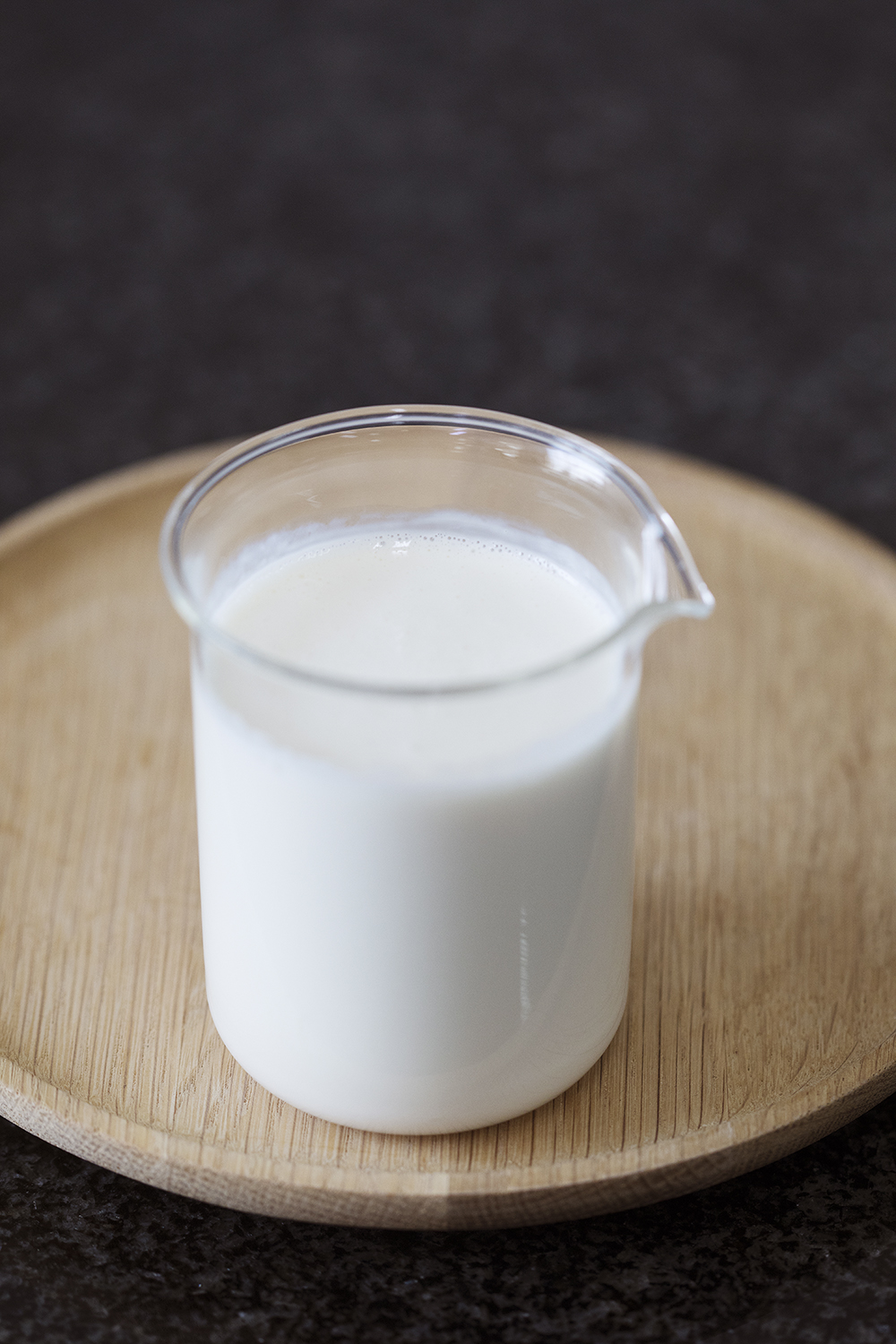
What are wax emulsions?
Wax emulsions are commonly produced by combining molten wax, water and a suitable surfactant system. As the mixture cools, wax droplets solidify while remaining distributed through the continuous phase.
The wax may be paraffin, natural, oxidised or another functional grade. The surfactant package and production conditions help determine particle size, ionic character and stability. Wax content can also vary widely according to the intended use.
Commercial product data illustrates the range of possible functions. Michelman describes its Michem Lube family as wax emulsions used to improve processing and performance in coatings and graphic-arts formulations. Individual grades may support water resistance, block resistance, chemical resistance, gloss or other targeted properties.
What are wax dispersions?
In a wax dispersion, solid wax particles are mechanically distributed in water or solvent, often using high shear and surfactants. The starting wax may already be micronised before it is incorporated.
Dispersions are common in inks and coatings because they can deliver finely divided particles to the dry film. Particle size, base wax and the surrounding liquid phase all influence how the product behaves during mixing, application and film formation.
In everyday industry language, the categories sometimes overlap. The most useful approach is to ask how the product was made, what its particle size is, what stabilises it and how it behaves in the intended formulation.
| Selection point | Wax emulsion | Wax dispersion |
|---|---|---|
| Typical structure | Solidified wax droplets stabilised in a continuous phase | Finely divided solid wax particles distributed in liquid |
| Key variables | Wax chemistry, surfactant, ionic character and solids | Particle size, distribution, wetting and carrier phase |
| Common advantage | Convenient addition of wax to water-based systems | Direct delivery of controlled solid particles to a film |
| Main risk to test | Charge or pH incompatibility and separation | Settling, poor dispersion, haze or roughness |
Why use a wax emulsion or dispersion?
Waxes can modify surface and processing properties at relatively low addition levels. Depending on the wax chemistry and application, potential benefits include:
- Improved water repellency
- Better scratch, rub and abrasion resistance
- Controlled slip or coefficient of friction
- Improved anti-blocking behaviour
- Modified gloss or surface feel
- Release performance
- Barrier support
- Processing lubrication
No single emulsion delivers every benefit. A product that improves slip in one coating may reduce intercoat adhesion or alter gloss in another. The formulation must therefore be assessed as a complete system.
6 factors for selecting wax emulsions
1. Define the required performance
Start with a measurable objective. “Improve the coating” is too broad. Better targets include reducing water uptake, increasing rub resistance, preventing blocking during stacking, improving mould release or achieving a specific surface feel.
Clear targets make laboratory comparisons more useful and help prevent unnecessary additive complexity.
2. Choose the appropriate base wax
Paraffin, polyethylene, oxidised, natural and other waxes offer different hardness, polarity, melting behaviour and film effects. For example, a harder polyethylene-based product may suit abrasion or slip requirements, while a natural wax emulsion may be considered for a different surface or positioning objective.
The base wax should be chosen for the required function and then checked for compatibility with the binder, substrate and production process.
3. Match the ionic character
Wax emulsions may be anionic, cationic or non-ionic. The wrong combination can destabilise a formula when charged ingredients interact.
Review the ionic character of the binder, pigments, thickeners, defoamers and other additives. Non-ionic systems can offer broad compatibility, but this should still be confirmed through testing. The formulation pH can also affect stability.
4. Review particle size and distribution
Particle size influences surface appearance, film uniformity, stability and the way wax migrates or remains distributed during drying. Finer particles may suit thin films or appearance-sensitive applications, while a different distribution may be needed for texture or strong surface modification.
Do not compare only the average particle size. Distribution, solids content and the test method used to report the value also matter.
5. Check the process and addition point
Some products can be post-added under low-speed agitation. Others need a defined mixing order or minimum shear. Excessive shear, high temperature or an incompatible addition sequence may destabilise the emulsion or reduce performance.
Record the addition point, mixing speed, batch temperature and hold time during trials. This makes scale-up more predictable.
6. Test stability and finished performance
Evaluate viscosity, separation, freeze-thaw behaviour where relevant, accelerated storage, film appearance and the target performance test. The trial should use the real substrate and curing conditions.
Application testing is particularly important when moving from a laboratory batch to production. Raw-material variability, water quality, shear and temperature can change the result.

Typical industrial applications
Coatings and inks
Wax emulsions and dispersions can improve rub, scratch and abrasion resistance, modify slip and influence gloss. They are used in paper, wood, industrial and graphic-arts systems.
Construction board and concrete curing
In suitable formulations, wax can support water resistance or help reduce moisture loss from curing concrete. Performance and compliance requirements should be defined for the exact construction application.
Polishes
Floor and surface polishes use wax systems to build gloss, protection and buffing behaviour. Cerax also manufactures one-pack solutions for floor-polish formulations, supported by formulation guidance.
Mould release and protective treatments
Wax can create controlled release and surface-protection effects. The selected emulsion must wet the substrate, form a consistent film and avoid unwanted residue.
Watch: how wax additives influence coating performance
This short overview from BYK Additives explains why wax additives are used to improve properties such as water repellency, scratch resistance, slip, gloss control and block resistance.
What information should you give a supplier?
Share the application, formulation pH, binder type, current additive, substrate, drying or curing conditions, target performance and any problem currently observed. State whether the system is water-based, solvent-based or mixed, and identify ionic ingredients if known.
Cerax can help customers compare wax chemistries, emulsion types and development routes. Explore the Cerax wax emulsions and dispersions page or contact the team about custom blends for application-specific requirements.
Frequently asked questions about wax emulsions
Open a question to see the practical answer.
Is a wax emulsion the same as a wax dispersion?
Not always. Industry terminology overlaps, but the manufacturing route, particle structure and stabilisation method can differ. Ask the supplier for exact product data.
Which ionic type should I choose?
Match the emulsion’s anionic, cationic or non-ionic character with the binder, pigments, thickeners and other charged ingredients, while also checking formulation pH.
How much wax emulsion should I add?
There is no universal dosage. Begin with the supplier’s recommended range, run a control and compare several levels under representative application and curing conditions.
Can a wax emulsion be post-added?
Some products can be post-added under gentle agitation, while others need a defined sequence or shear level. Follow the exact grade guidance and document the process.
What stability tests are most useful?
Check viscosity, separation, accelerated storage and freeze-thaw behaviour where relevant, then measure the target effects such as gloss, rub, scratch, water resistance or blocking.
Find the right wax emulsion or dispersion
Give Cerax the binder, pH, substrate, process and measurable performance target. That information makes grade selection and laboratory trials far more productive.
Selection should be evidence-led
Wax emulsions and dispersions are practical tools for changing processing and surface behaviour, but the label alone cannot predict performance. Base wax, particle structure, ionic character and addition method work together.
Set a measurable target, shortlist compatible products and test them under representative conditions. This gives the formulation team a defensible basis for selection and reduces surprises during scale-up.