


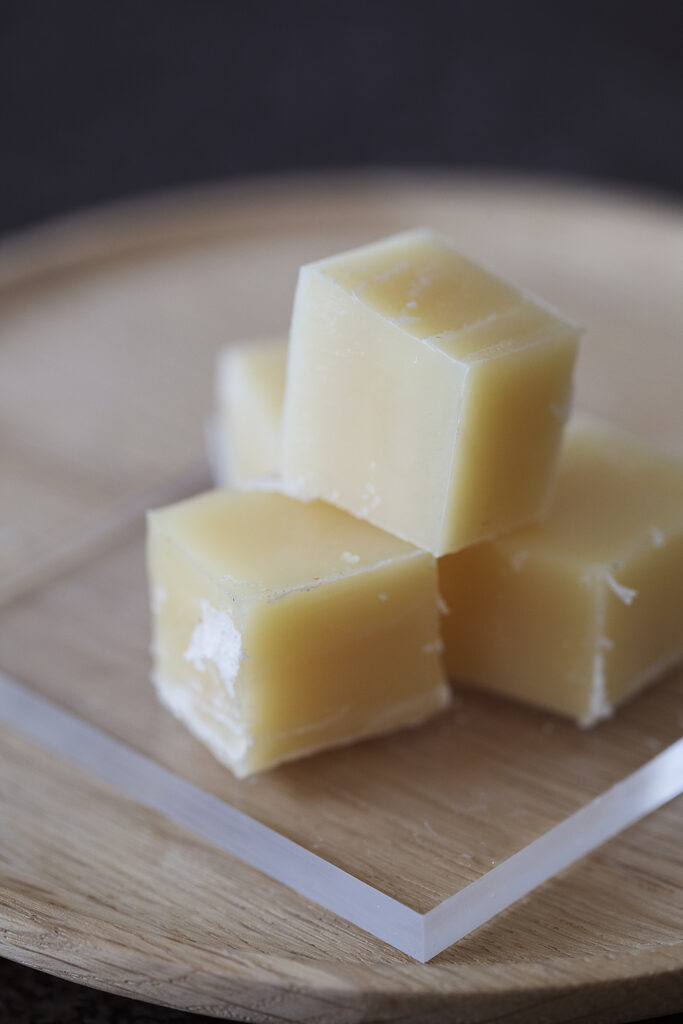
Packaging wax can help tailor the performance of paper and board, but a successful coating must do more than resist moisture on a flat laboratory sample. It also needs to suit the substrate, application line, converting operations and conditions the finished pack will encounter.
Test the complete package. Moisture performance, crease behaviour, sealing and handling should be assessed together. Confirm any food-contact or end-of-life claims using evidence for the actual materials and finished construction.


What does packaging wax do?
Wax can be part of a formulation designed to modify a paper or board surface. Depending on the system, the required properties may concern moisture resistance, handling, flexibility or sealing behaviour. The result depends on the wax blend, coating coverage and substrate, not simply the presence of wax.
Cerax’s packaging wax range covers application areas including flexible packaging and corrugated materials. Selecting within those areas requires a more detailed brief than “wax for paper”. Define the package, process and acceptance criteria before comparing samples.
For packaging manufacturers, the most useful selection process starts with the package’s job. A folded wrapper, a coated board and a corrugated structure do not automatically need the same wax or application approach. The following checks help turn a general coating request into a clear technical brief.
6 essential packaging wax coating checks
1. Identify the substrate and converting steps
Record the paper or board grade, surface treatment and construction. Include the steps that follow coating, such as printing, folding, gluing or sealing. A coating that behaves well on one surface may not perform the same way on another.
Use the intended production substrate in trials wherever practical. Changing paper stock between comparisons can obscure the effect of the wax. Keep a record of the substrate batch so an unexpected result can be investigated systematically.
2. Define the moisture challenge
“Water-resistant” can mean different things. Brief splashes, sustained dampness and exposure to humid air are different conditions. Identify which challenge matters to the package and select an appropriate test with the technical team.
Check relevant areas of the finished construction rather than only a flat coated sheet. Cut edges, seams and folds may behave differently from an uninterrupted surface. Avoid describing a package as waterproof unless the complete package has been demonstrated to meet that defined claim.
3. Test folds, creases and handling
Packaging is converted, stacked and transported. A coating must therefore be assessed after the mechanical operations that the substrate will undergo. An attractive flat sheet is not sufficient evidence for a folded or formed pack.
Inspect the intended crease pattern and assess the package after relevant handling. Look for changes in coating continuity and appearance. If the formulation needs a different balance of firmness and flexibility, discuss a custom wax blend rather than selecting on hardness alone.
4. Review sealing and adhesion requirements
Consider how the packaging will be closed or joined. A change in coating can affect the surface presented to an adhesive or sealing process. Do not assume that an existing production setting remains suitable after a material substitution.
Where sealing is part of the specification, test the relevant combination of materials and process conditions. Examine the finished seal after appropriate conditioning. If an adhesive is involved, qualify the complete combination rather than testing the wax and adhesive separately and inferring compatibility.
5. Match the coating to the application line
Document the application equipment, normal operating window and cooling or drying arrangements. Include the target coating amount and how it is measured. Variation in coverage can change performance even when the packaging wax grade itself is unchanged.
Review runnability alongside end-use results. Record deposits, cleaning requirements, handling and any sticking between coated surfaces. This last behaviour, often called blocking, can matter when material is wound or stacked. Trial conditions should represent the actual manufacturing route rather than a convenient laboratory shortcut.
6. Verify documentation and end-of-life claims
If the packaging is intended for food contact, request documentation for the exact grade and intended use. The finished package can include several materials, so the wax’s documentation alone may not settle every requirement for the complete construction.
Recyclability and compostability should also be evaluated for the finished packaging and the relevant collection or treatment system. Paper content does not automatically make a coated package recyclable everywhere. Do not make a claim based only on the raw wax’s description or on the fact that the substrate is fibre-based.
A packaging wax trial checklist
| Stage | Record | Check |
|---|---|---|
| Before coating | Substrate, wax grade and batch identities | Comparable starting materials |
| During application | Operating conditions and coating amount | Stable coverage and runnability |
| After converting | Folds, seams and closure method | Performance of the formed package |
| After conditioning | Defined storage and exposure conditions | Required end-use properties |
| Before approval | Results and supporting documents | All acceptance criteria addressed |
Include a control sample made with the current approved system. Agree in advance which properties are essential and which are optional improvements. Repeat promising results before adopting a new specification, and retain a clear record of what changed.
For background on one potential raw-material family, see the paraffin wax grade-selection guide. Where an aqueous delivery system is being considered, compare the wax emulsions and dispersions guide. Neither replaces a packaging-specific trial.
Packaging wax FAQs
Can the same packaging wax coat all paper and board?
No. Substrate, application route and required properties vary. Select and test the grade for the intended package.
Does a packaging wax coating make paper waterproof?
Not automatically. Define the exposure and assess the complete package, including folds, edges and seams, before making a performance claim.
Is wax-coated paper always recyclable?
No universal claim is appropriate. Suitability depends on the finished construction and the recycling system available to the intended market.
What information should I send a packaging wax supplier?
Share the substrate, package type, application method, converting steps, required performance and any food-contact or other documentation requirements.
Further reading: Sasol formulated wax blend overview and Cerax packaging wax information. Use grade-specific documentation and testing for final selection.
Discuss your application with Cerax
Share your process, current formulation challenge and required performance with the Cerax team.
Discuss your wax requirements