

Waxes
xxx

Synthetic Waxes
Synthetic Waxes do not occur naturally, they are synthesised. These waxes can imitate the physical properties of naturally occurring waxes, as well as possess unique characteristics that natural waxes do not. These waxes can be used across multiple industries and applications. Cerax has access to and knowledge about how these waxes can be used in direct product applications. We also have the ability to combine these waxes to formulate very specific performance conditions. Synthetic waxes can be functionalised through oxidation, saponification and reactive grafting to perform specific duties. Due to their hardness they can also be micronised (milled) to nano particle sizes to form important components in coatings and ink formulations. Cerax offers a full range of synthetic waxes as well as modified variants of these waxes.
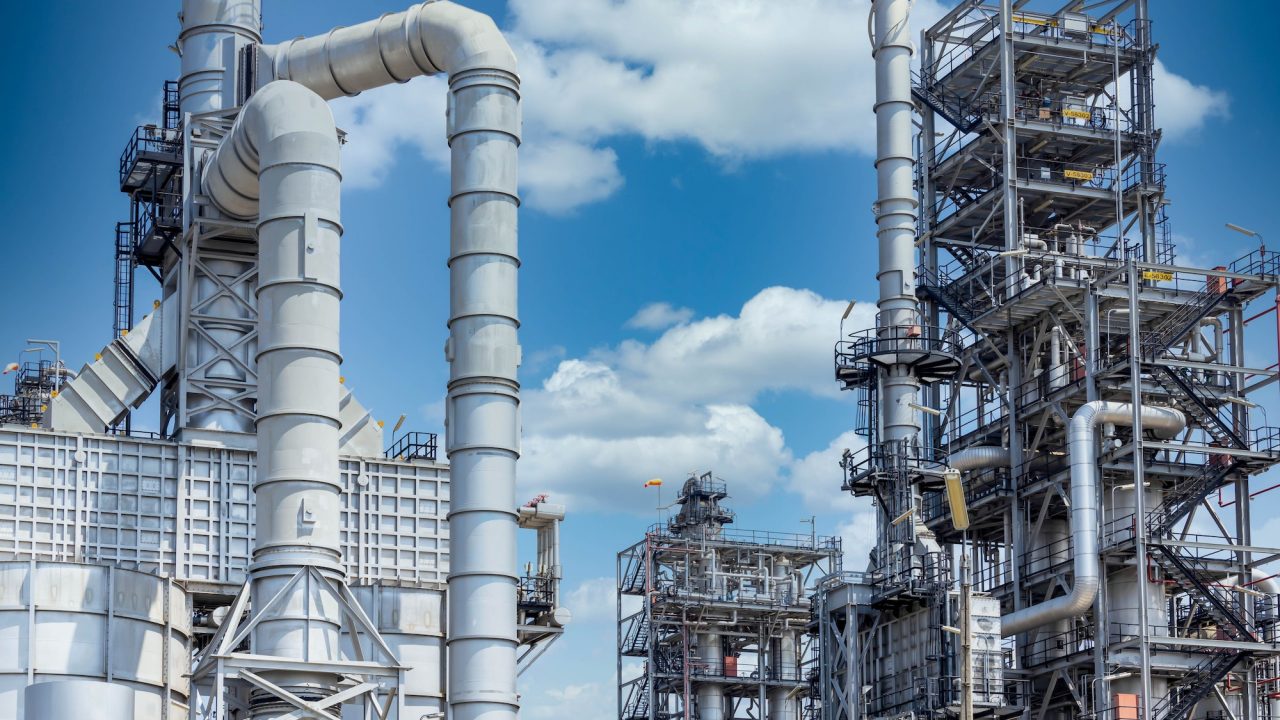
Fischer-Tropsch (FT) Waxes are pure hydrocarbon waxes ranging from medium to very hard waxes. The FT hard waxes with high molecular weights have high melting points, superior hardness and low viscosities. FT waxes are synthetically produced from carbon monoxide and hydrogen by using the Fischer-Tropsch gas-to-liquids (GTL) technology. The resulting waxes are straight chain hydrocarbons of consistent quality and purity with unique and desirable properties. These waxes can be modified further to produce a wide range of physical and chemical characteristics suited to a range of applications. Cerax offers a range of high-melt point FT waxes, used as performance additives and also medium melt point derivatives, which can replicate typical paraffin wax characteristics.
Polyethylene (PE) Wax is manufactured as first intention product or as by-product from polyethylene synthesis using catalytic polymerisation, most commonly utilising the Ziegler-Natta catalyst. PE wax can also be produced as a result of controlled thermal degradation of polyethylene. In general polyethylene waxes have higher molecular weights and more branched hydrocarbons than Fischer-Tropsch waxes, which yield products with higher melt melting points, higher melt flow viscosities and similar hardness. It is possible to functionalise polyethylene wax through oxidation or reactive grafting to enhance the properties of the waxes, specifically regarding free-surface energy and viscosity. The waxes are commonly used in polymer processing, due to their compatibility with polymers, and production of dispersions and emulsions. Certain grades are certified for food contact in specific applications.
Cerax PE 2
Specifications:
Congealing Point: 93 +- 3 degrees °C
Colour: Off-white
Viscosity: 30 +- 10 mPa’s
Description: A high melting point synthetic wax, with medium to low viscosity. May be used as a polymer processing aid and dispersant aid for colour masterbatch. The material is white in colour, and exhibits excellent qualities.
Polypropylene (PP) Wax is manufactured as a by-product from polypropylene synthesis or as a result of controlled pyrolysis of polypropylene. Polypropylene wax may be used as a viscosity modifier in colour masterbatch production or micronized to give coating scratch resistance.
Sub heading
Something about Synthetic Waxes
Paraffin Waxes
Paraffin Waxes are derived from the synthesis and refining of petroleum, coal or shale gas. It is obtained by freezing or solvent dewaxing of these fractions, then de-oiling and refining. It can be divided into crude paraffin, semi-refined and fully-refined paraffin, edible paraffin and so on. It is used to manufacture candles, matches, electrical insulation materials, high fatty acids and alcohols. As the resources of animal wax and plant wax become more and more scarce, paraffin waxes have filled the space in the market. Their molecular weight is very low when compared to the FT waxes available on the market.
Cerax has the ability to not only supply these range of waxes, but use them in blending them with higher or even lower molecular weight molecules to produce products specific to customer needs.
Slack waxes are obtained from the de-waxing of Group I and II lubricating oils at crude oil refineries. These waxes are specified according to their melting points and oil contents and exist over a wide range, depending on the crude oil source from which the wax is derived. Slack waxes consist mainly of normal and branched hydrocarbons and the ratio of these determine properties like the hardness and melting point. Slack waxes can be used in many non-food grade applications such as candles, construction board emulsions, match waxes and water barrier applications. Slack waxes make ideal blending components to obtain specific properties. Slack waxes can be further refined to obtain waxes with lower oil content, improve colour and render it food grade.
Cerax SPO
Congealing Point: 52 +- 2 Degrees °C
Colour: Light Yellow/White
A paraffinic unrefined slack wax, which may be used in blends that have a wider specification on oil content and penetration. Cerax SPO may be blended with candle wax blends in order to optimise cost or performance.
Cerax LMO
Congealing Point
Colour:
A paraffinic and partially microcrystalline medium machine oil slack wax extract.
Cerax MMO
Congealing Point
Colour:
A paraffinic and partially microcrystalline medium machine oil slack wax extract.
Cerax Bright-stock
Congealing Point: 72 +- 2 Degrees °C
Colour: Brown
A micro-crystalline unrefined slack wax extract, used for industrial applications whereby oil-binding or flexibility are required.
Semi-refined paraffin waxes (SRPW) are manufactured from slack waxes by de-oiling the wax to an oil content between 0.5% and 5%. Theses waxes are normally further refined by bleaching or hydrotreating to improve the colour and odour of the wax. SRPW are ideally suited for candle, floor polish and construction board emulsion manufacturing.
Alexwax 600
Congealing Point: 58-62 degrees °C
Colour: White/Translucent
Softening Point – 112 Degrees
Oil Content: 1.5 – 0.5%
A full refined paraffin wax, used for high specification applications, such as jar candles and paper coatings.
Chinese SRPW
Congealing Point
Colour
A semi-refined paraffin wax, used for industrial only applications.
Fully refined paraffin wax (FRPW) is slack wax based, refined to an oil content of maximum 0.5% and hydrotreated to produce a pure white wax suited for many food grade and cosmetic applications. FRPW is a chemical comprising mostly out of normal and branched hydrocarbons. These waxes can by utilised in the production of high quality candles, shoe polishes and explosion emulsions. FRPW is also used as blending components for board coatings, laminating waxes, ‘cool’ melt hot melt adhesives and paper wrappers.
Chinese FRPW
Congealing Point: 58-62 degrees °C
Colour: White / Translucent
Oil Content: <0.5%
The fully refined paraffin wax, used in industrial and food contact applications.
Nippon FRPW
Congealing Point: 58-62 degrees °C
Colour: White / Translucent
Oil Content: <0.5%
The finest fully refined paraffin wax, used in food contact and high performance applications.
Sub heading
Something about Parrafin Waxes
Natural Wax
xxxxx
Palm oil is produced from the fruit of the African and American oil palms and palm kernel oils are from the kernels of the same fruits. Processing of these oils by distillation, crystallisation and hydrogenation produce palm wax and hydrogenated palm stearin (HPS). Depending on the fractions used and the refining processes, Palm wax properties can vary from source to source. Although the chemical composition is different from paraffin waxes, some of the physical properties are similar and can be used as a replacement in certain applications.
Cerax HPS
Hydrogenated palm stearin, suitable for food contact applications. Manufactured from a natural source.
Sunflower wax is obtained from the winterization process of sunflower oil. Sunflower wax consists mainly of esters of fatty acids with fatty alcohols and produce a wax with a melting point between 74 - 80°C. The wax has a high oil binding capacity which makes it a popular component of cosmetic sticks. In cosmetic creams and lotions, sunflower wax provides a non-sticky skin feel and because of the polarity and oil binding properties of the esters, it stabilises water-in-oil emulsions.
Sugar cane wax is extracted from bagasse, a by-product filter residue from the production of sugar from stalks of the sugar cane plant. Sugar cane wax comprises mostly of long chain fatty alcohols and some fatty acids also. The wax in its refined form has a light yellowish colour, is relatively hard and has a melting point around 80°C. Historically sugar cane wax was popular as religious candle wax component but now also used in food and cosmetics.
Cerax Cane Wax
Extracted from sugar cane bagasse, a completely natural wax, used in environmentally sensitive applications.
The source of Carnauba wax is also palm trees, specifically the Carnauba palm that grows in Brazil, and the wax is collected from the leaves of the palm tree after drying. The wax layer is then beaten off, refined and bleached to different grades. Chemically the wax consists of aliphatic esters and di-esters predominantly derived from acids and alcohols in the C26-C30 range. This composition renders a hard, relatively high melting ( 82-86°C) wax, which is easily emulsifiable and produces a good gloss, especially with buffing. Carnauba wax is very popular for use in the pharmaceutical, cosmetic and food industries because of GRAS status in the FDA regulations. More specific applications are tablet coatings, fruit coatings, furniture and shoe polishes to name a few.
Beeswax is a natural wax produced by honey bees, collected by bee keepers and then refined to purify and improve colour. Chemically the wax consists mainly of long chain aliphatic esters. Beeswax has a relatively low melting point range of 62 to 64 °C and is softer than Carnauba wax. Historically beeswax was very popular for making candles but nowadays it is sought after in food, pharmaceuticals and cosmetic applications.
Montan Wax is a natural wax obtained by solvent extraction from lignites or brown coal only at a few sites globally. Raw Montan wax is dark and the refined, de-resined grades, yellow in colour. Montan wax consists of long chain fatty alcohols, long chain fatty acids and esters formed by them. The carbon chain length of these range between C26 and C32. The melting point of Montan wax is between 80 and 85°C. In many applications, Montan wax has similar properties and is a good lower cost alternative to Carnauba wax. Montan wax is popular in formulations for shoe, floor and furniture polishes. Montan waxes are oxidised and thereafter esterified with alcohols to produce functionalised waxes for specialised applications.