

NATURAL WAXES

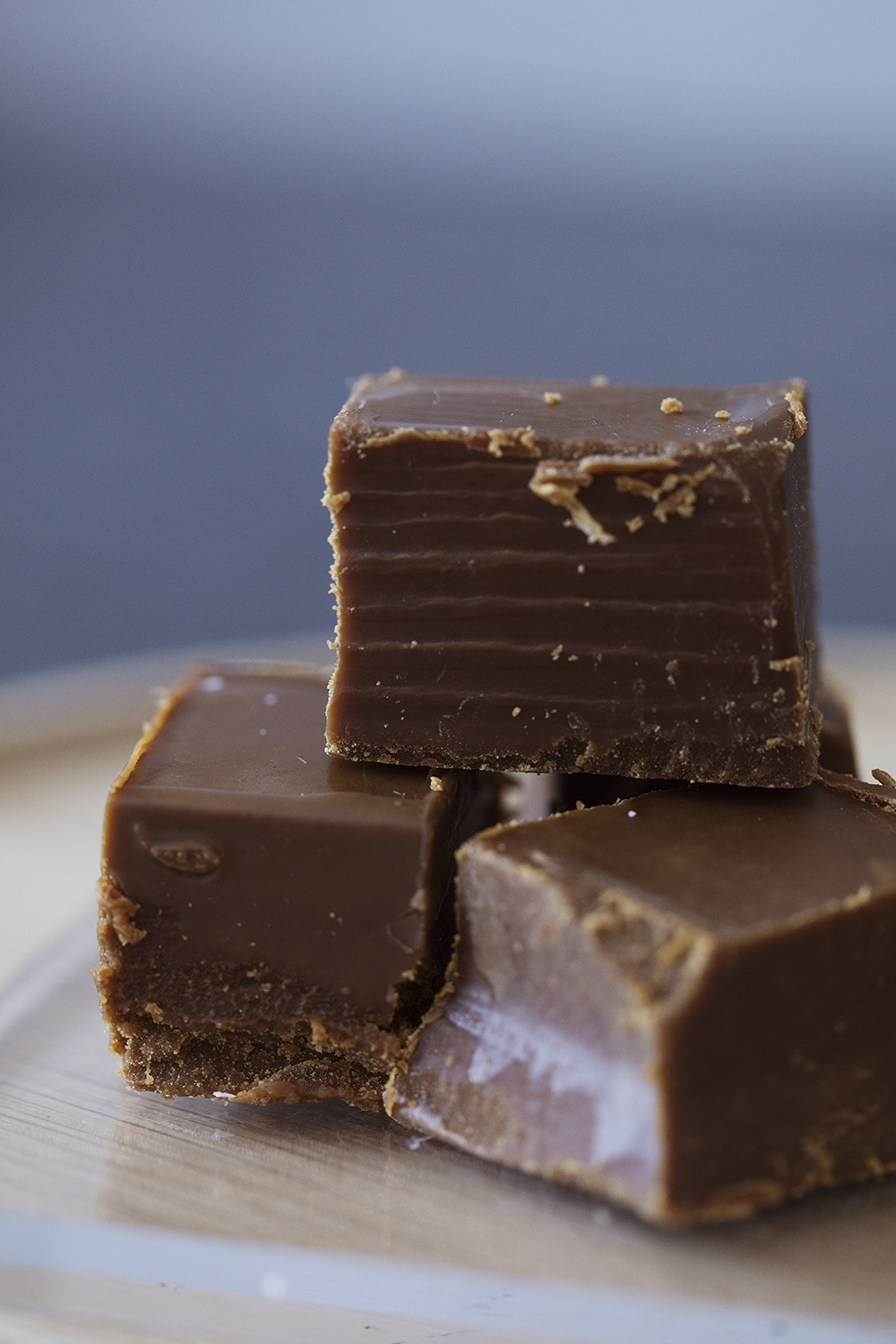
Palmitic Wax
Palm oil is produced from the fruit of the African and American oil palms and palm kernel oils are from the kernels of the same fruits.
Processing of these oils by distillation, crystallisation and hydrogenation produce palm wax and hydrogenated palm stearin (HPS).
Depending on the fractions used and the refining processes, Palm wax properties can vary from source to source.
Although the chemical composition is different from paraffin waxes, some of the physical properties are similar and can be used as a replacement in certain applications.
For application-specific requirements, explore Cerax custom wax blends and formulation support.
Hydrogenated palm stearin, suitable for food contact applications. Manufactured from a natural source.
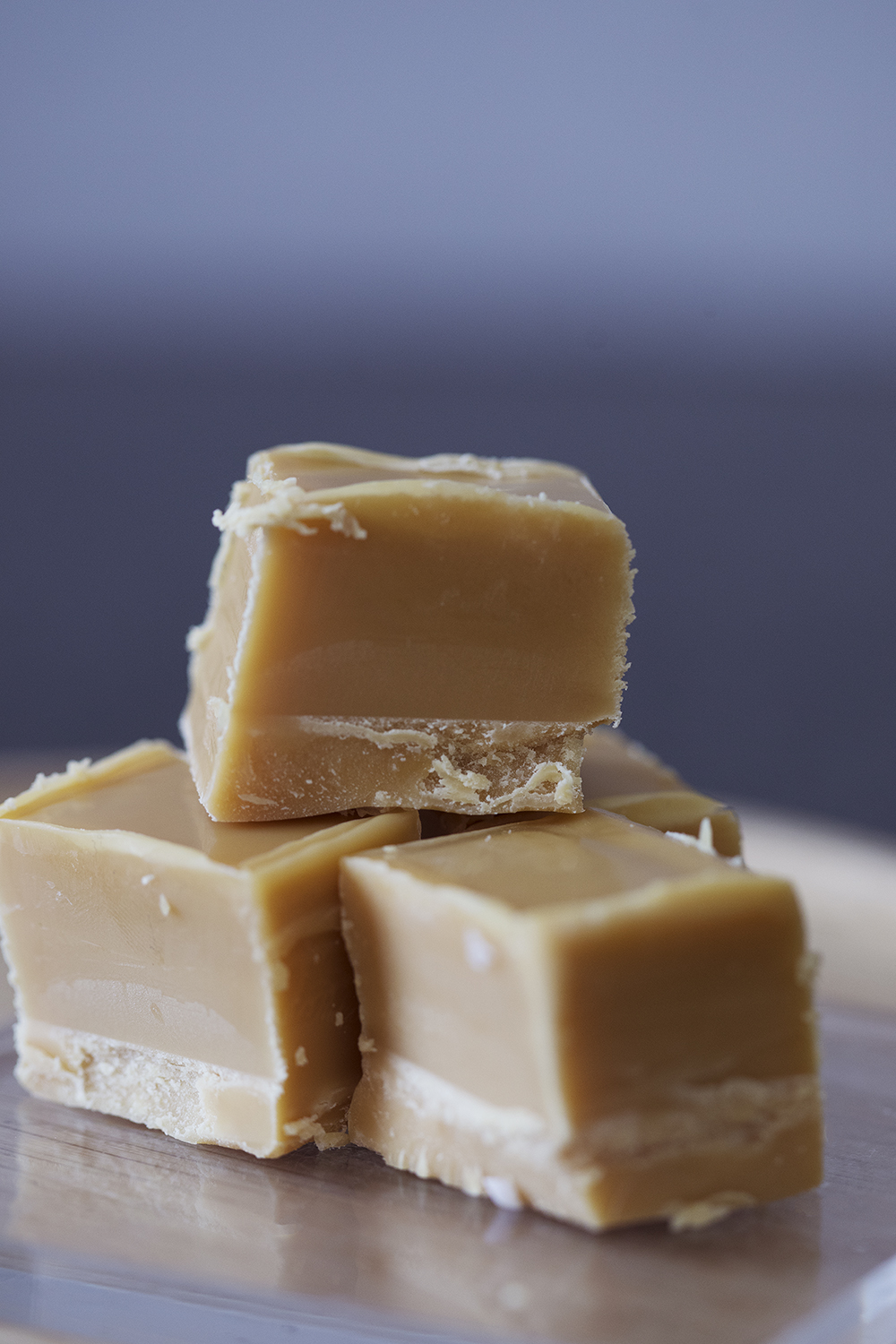
Sugar Cane Wax
Sugar cane wax is extracted from bagasse, a by-product filter residue from the production of sugar from stalks of the sugar cane plant.
Sugar cane wax comprises mostly of long chain fatty alcohols and some fatty acids also.
The wax in its refined form has a light yellowish colour, is relatively hard and has a melting point around 80°C.
Historically sugar cane wax was popular as religious candle wax component but now also used in food and cosmetics.
Sugar cane wax is extracted from bagasse, a by-product filter residue from the production of sugar from stalks of the sugar cane plant. Sugar cane wax comprises mostly of long chain fatty alcohols and some fatty acids also. The wax in its refined form has a light yellowish colour, is relatively hard and has a melting point around 80°C. Historically sugar cane wax was popular as religious candle wax component but now also used in food and cosmetics.
Extracted from sugar cane bagasse, a completely natural wax, used in environmentally sensitive applications.
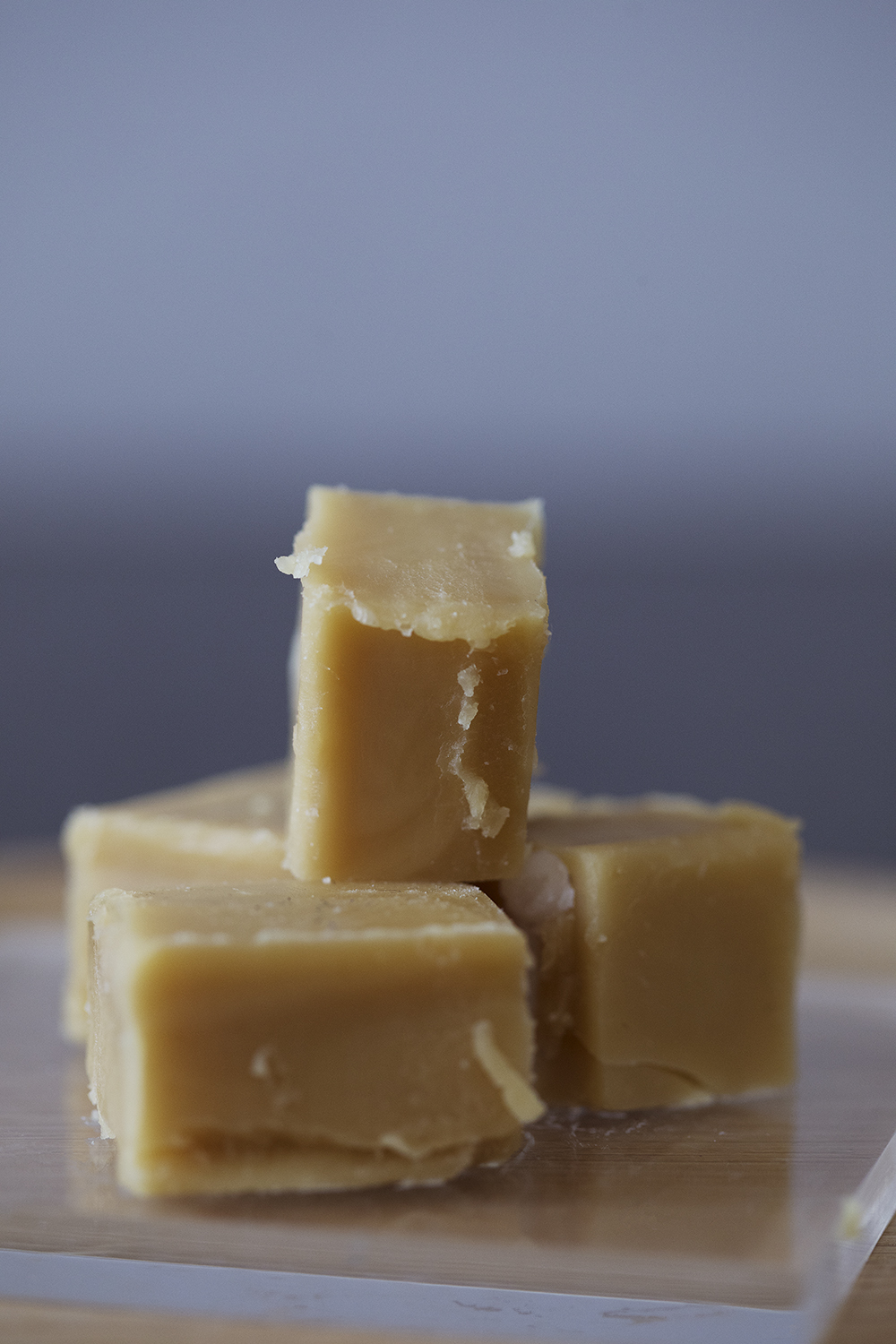
Montan Wax
Montan Wax is a natural wax obtained by solvent extraction from lignites or brown coal only at a few sites globally.
Raw Montan wax is dark and the refined, de-resined grades, yellow in colour.
Montan wax consists of long chain fatty alcohols, long chain fatty acids and esters formed by them.
The carbon chain length of these range between C26 and C32.
The melting point of Montan wax is between 80 and 85°C.
In many applications, Montan wax has similar properties and is a good lower cost alternative to Carnauba wax.
Montan wax is popular in formulations for shoe, floor and furniture polishes.
Montan waxes are oxidised and thereafter esterified with alcohols to produce functionalised waxes for specialised applications.

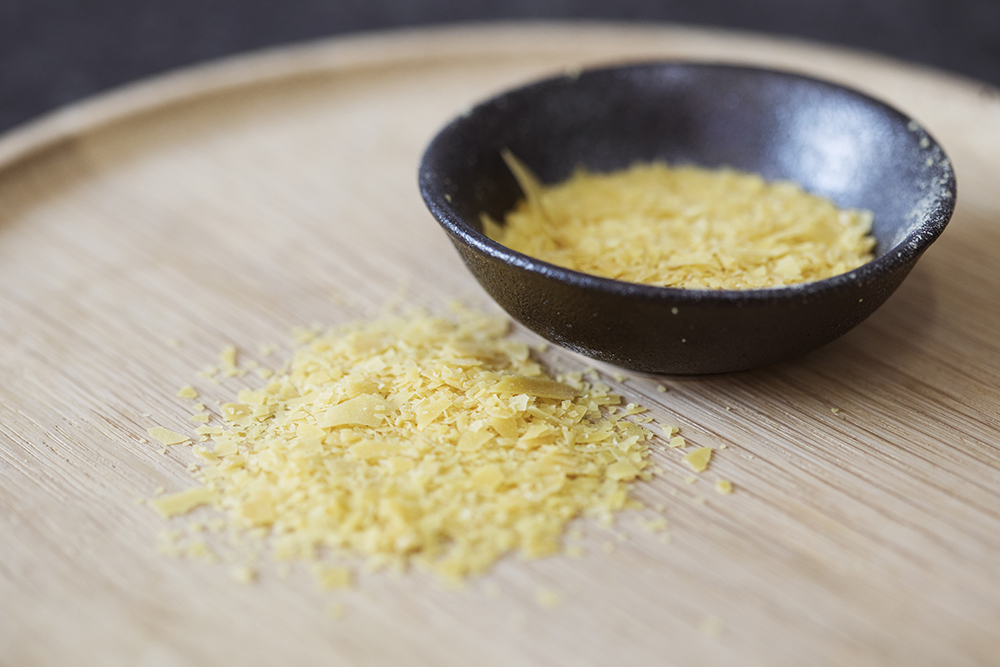
Carnauba Wax
The source of Carnauba wax is also palm trees, specifically the Carnauba palm that grows in Brazil, and the wax is collected from the leaves of the palm tree after drying.
The wax layer is then beaten off, refined and bleached to different grades.
Chemically the wax consists of aliphatic esters and di-esters predominantly derived from acids and alcohols in the C26-C30 range.
This composition renders a hard, relatively high melting ( 82-86°C) wax, which is easily emulsifiable and produces a good gloss, especially with buffing.
Carnauba wax is very popular for use in the pharmaceutical, cosmetic and food industries because of GRAS status in the FDA regulations.
More specific applications are tablet coatings, fruit coatings, furniture and shoe polishes to name a few.
Sunflower Wax
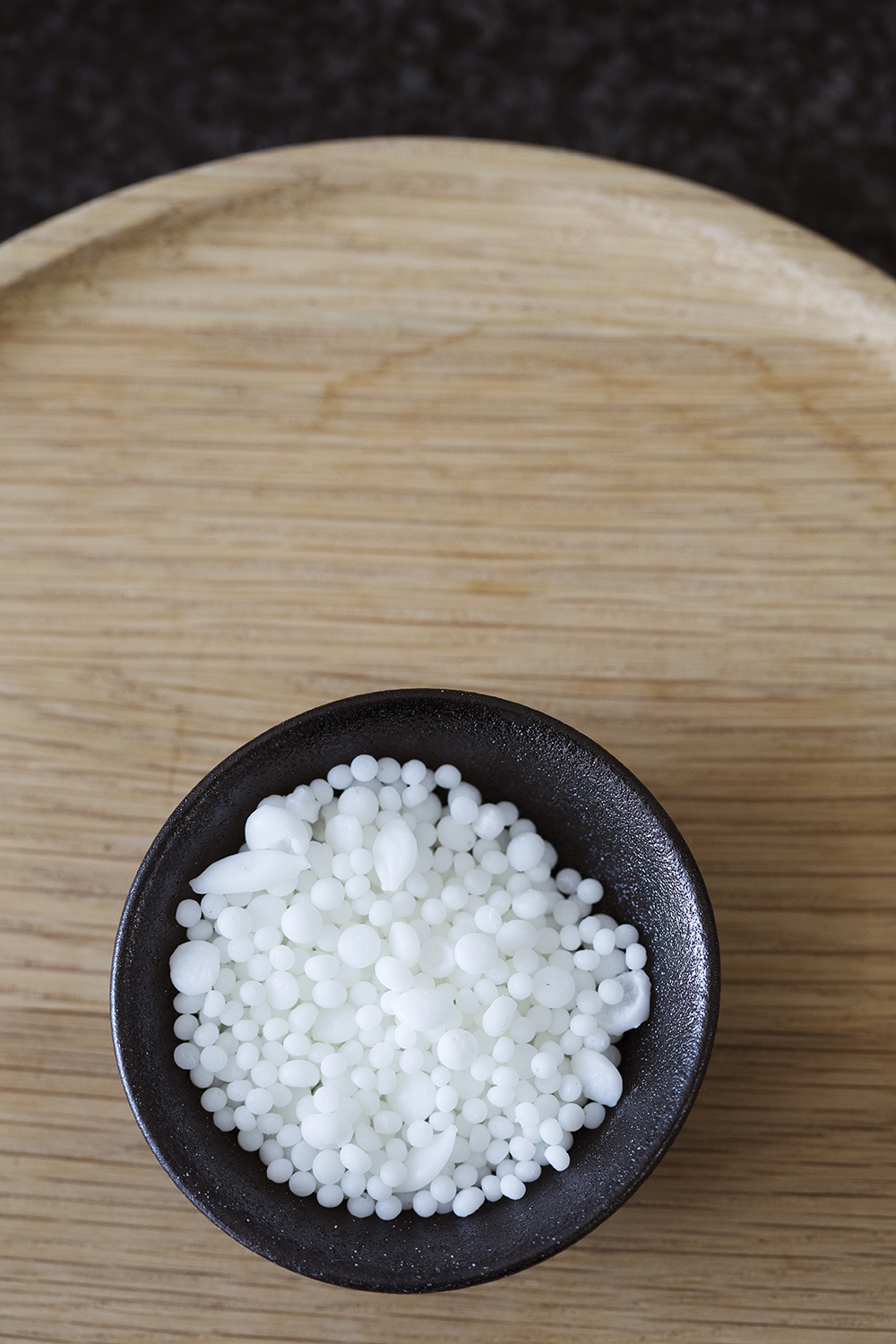
Sunflower wax is obtained from the winterization process of sunflower oil.
Sunflower wax consists mainly of esters of fatty acids with fatty alcohols and produce a wax with a melting point between 74 – 80°C.
The wax has a high oil binding capacity which makes it a popular component of cosmetic sticks.
In cosmetic creams and lotions, sunflower wax provides a non-sticky skin feel and because of the polarity and oil binding properties of the esters, it stabilises water-in-oil emulsions.
Beeswax
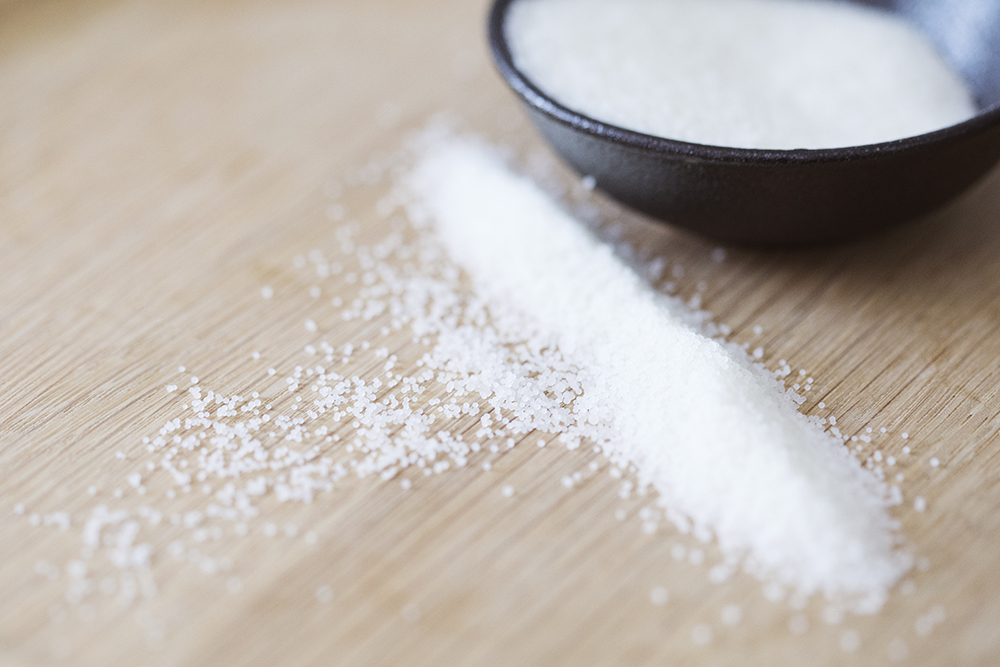
Beeswax is a natural wax produced by honey bees, collected by bee keepers and then refined to purify and improve colour.
Chemically the wax consists mainly of long chain aliphatic esters.
Beeswax has a relatively low melting point range of 62 to 64 °C and is softer than Carnauba wax.
Historically beeswax was very popular for making candles but nowadays it is sought after in food, pharmaceuticals and cosmetic applications.
For an independent chemical reference, see the PubChem beeswax summary.
Natural wax selection questions
Can one natural material replace another?
Not automatically. Compare the relevant hardness, melting behaviour, colour, binding properties and compatibility in your formulation. Different sources and refining processes can produce different grade characteristics. Evaluate the proposed material against the exact application rather than choosing by origin alone.
Does natural always mean renewable?
The product families on this page have different sources, including plants, bees and lignite-derived montan material. Ask for grade-specific origin and sourcing information when your purchasing brief includes renewable content or other environmental requirements. Do not treat the word natural as evidence that every option meets the same requirement.
What should I include in an enquiry?
Send the intended use, present product specification and desired performance. Ask for current technical and safety documents, available form and supply information. Confirm any end-use requirements for the proposed grade before a trial or purchase.
Contact Cerax to discuss natural wax selection, or explore our wax blends and custom formulations where a single material does not meet the brief.
Choosing natural wax by source and function
Natural wax is a broad description, not a single specification. The six families above come from different sources and bring different characteristics to a formulation. Use this guide to connect the range information with your buying brief. It helps you identify the questions to ask before requesting a particular grade, rather than treating origin or appearance as the only selection criterion.
Where your brief includes an environmental, food-contact, cosmetic or other end-use requirement, ask Cerax for the applicable grade information. The descriptions below do not establish certification or approval for every product in a family.
Palm-derived natural wax: what should I compare with my current wax?
The palm section explains that processing and refining can produce materials with different properties. Some physical characteristics may resemble those of paraffin, even though the chemistry differs. A substitution should therefore begin with the specific properties your present formulation relies on. Identify the existing material, its technical specification and the part of the finished result you need to retain.
If you are considering hydrogenated palm stearin, refer to that product explicitly rather than requesting palm wax without further detail. Confirm the supplied grade, product form and application requirements. A source description does not show that two palm-derived materials are equivalent, and a similar melting behaviour does not establish complete interchangeability. Ask the technical team to review the candidate against the whole brief.
Sugar cane natural wax: how do source and refining information help?
Cerax describes sugar cane wax as a material recovered from the sugar-production stream, with the refined form described as relatively hard and light yellow. When comparing an unrefined and a refined product, identify which version the technical sheet covers. Do not transfer the colour or other characteristics of the refined description to a differently processed grade.
A sourcing objective and a performance objective are separate parts of the enquiry. If your project requires a material derived from a particular production stream, request the relevant origin information. If hardness, colour or compatibility matters to the finished product, include those criteria as well. The origin story can support your purchasing discussion, but the exact grade still needs to meet the formulation requirement.
Montan natural wax: why should I distinguish natural from plant-derived?
The montan section identifies lignite or brown coal as the source. That is different from the plant-derived families in this catalogue. A brief asking for natural wax may allow this family, while a brief specifically requiring plant-derived material may need a different option. Write the sourcing requirement clearly so the shortlist does not rely on an ambiguous label.
Cerax also distinguishes raw material from refined and de-resined grades, and describes modified forms for specialised applications. Ask which version is being proposed when comparing colour, formulation function or replacement candidates. The reference to montan as an alternative in some carnauba applications does not mean it is a direct replacement in every formula. The intended function and the selected grade determine what needs to be evaluated.
Carnauba material: which finish and grade details belong in the brief?
The carnauba description highlights hardness, relatively high melting behaviour and gloss, particularly with buffing. If those are the reasons you are considering the material, explain the intended surface and how the finished product will be used. Distinguish the required appearance from processing or handling requirements so the technical discussion addresses both.
The range information notes refining and bleaching to different grades. Ask for the grade-specific description rather than assuming every carnauba product has the same colour or characteristics. Where the finished application has additional documentation requirements, state them at the start of the enquiry. Keep any suitability confirmation tied to the proposed commercial grade and intended use, not simply to the family name.
Sunflower material: how should I describe a binding or texture requirement?
Cerax presents sunflower wax in relation to oil binding and applications such as cosmetic sticks, creams and lotions. A useful enquiry explains the behaviour you need to change: for example, the structure of the finished product or the way the material behaves in the existing blend. Include the current wax component and the other formulation constraints that must be retained.
Those application examples do not establish that the product will give the same result in every formulation. Review the selected grade and evaluate it in the complete system. If a texture or appearance judgement is part of the assessment, define the comparison before testing. A recorded reference gives the technical team more useful information than a general statement that a candidate feels different.
Beeswax: what if my brief requires a plant-derived option?
Beeswax is produced by honey bees, so it has a different source from palm, sugar cane, carnauba and sunflower materials. If the buying brief requires a plant-derived ingredient, identify that requirement before selecting a candidate. Do not assume that the word natural means the product has a plant origin or meets a particular customer sourcing policy.
The beeswax description also notes refining to improve purity and colour and compares its softness with carnauba. When looking for an alternative, state the properties beeswax contributes to the present formulation. A different source may satisfy one purchasing requirement while changing the finished behaviour. The comparison should therefore cover both the origin requirement and the application performance, using the exact proposed grades.
Separate an origin requirement from a sustainability claim
Natural, plant-derived, renewable and certified are not interchangeable descriptions. This catalogue provides source information, but it does not establish a uniform certification across the six families. If a customer policy requires a particular declaration or certification, name it in the enquiry and ask whether the proposed grade has the supporting documentation.
Keep the wording of the confirmed information with your purchasing record. Avoid extending a statement for one material to a complete blend without checking the other components. If the formulation changes, review the sourcing requirement again. This makes the discussion more precise and helps prevent a general product label being used as evidence for a claim it does not support.
Agree the product description before arranging supply
Bring together the selected family, exact grade name, required properties, physical form and packaging preference. Identify which requirements are essential and which are still open to discussion. Include expected quantities and timing separately, so supply questions do not obscure the technical specification.
Request the current technical and safety documents and confirm any information needed for the intended end use. If the candidate is a replacement, retain the comparison with your existing material and the trial result. A clear record lets the buying and production teams refer to the same product. For requirements that a single material cannot meet, discuss a tailored blend with Cerax rather than assuming a natural origin alone will solve the formulation challenge.
Natural wax family comparison at a glance
This comparison summarises the source descriptions on this page. It is a navigation aid for an enquiry, not a substitute for a grade specification. Use the detailed product sections above to identify the family, then confirm the commercial grade with Cerax.
| Family | Source described | Question to resolve |
|---|---|---|
| Palm | Palm oils and refining | Which processed grade meets the replacement brief? |
| Sugar cane | Sugar-production stream | Does the data cover refined or unrefined material? |
| Montan | Lignite or brown coal | Does the source meet the stated purchasing requirement? |
| Carnauba | Carnauba palm leaves | Which grade suits the required finish and application? |
| Sunflower | Sunflower-oil winterisation | Which binding or texture requirement needs evaluation? |
| Beeswax | Honey bees, followed by refining | Is an animal-derived source permitted by the brief? |
Reading natural wax product data
Why should I compare the same temperature property?
The range descriptions include melting-point information, while some commercial wax specifications use congealing point, softening point or other temperature properties. These labels should not be treated as interchangeable. Ask which property and method the figure represents before comparing it with a value on a different product sheet.
A family-level range gives useful background, but it is not necessarily the acceptance limit for the proposed grade. If temperature behaviour is critical, identify the property used in your current specification and request comparable information for the candidate. Also distinguish a reported typical value from an agreed specification limit. Keeping those labels clear makes a comparison easier to interpret and avoids a decision based on two numbers that describe different tests.
For general background on wax testing terminology, ASTM publishes a congealing-point test method. Its existence does not mean a Cerax grade has been tested or certified to that method; confirm the method stated on the applicable product documentation.
How should I interpret colour and appearance descriptions?
Descriptions such as light yellow, refined or bleached help identify the material being discussed. Photographs also provide context, but lighting, screen settings and sample presentation can change the apparent colour. If the finished product has a colour requirement, state it explicitly rather than using an online photograph as the acceptance standard.
Where appearance is important, ask what grade-specific information or sample comparison is available. Keep a consistent reference when evaluating candidates and record the exact product name. The same principle applies to blocks, flakes or granules: visible form helps with a handling discussion but does not establish chemical composition or performance.
Confirm the supplied form and packaging separately from the image. A photograph is not evidence of current availability, a particular pack size or a guaranteed finished result. The agreed product description and current grade documents should remain the basis for purchasing and evaluation.
Send the selected family, grade questions and required documents to info@cerax.co.za. Ask Cerax to confirm any unresolved items before arranging an evaluation sample or routine supply.